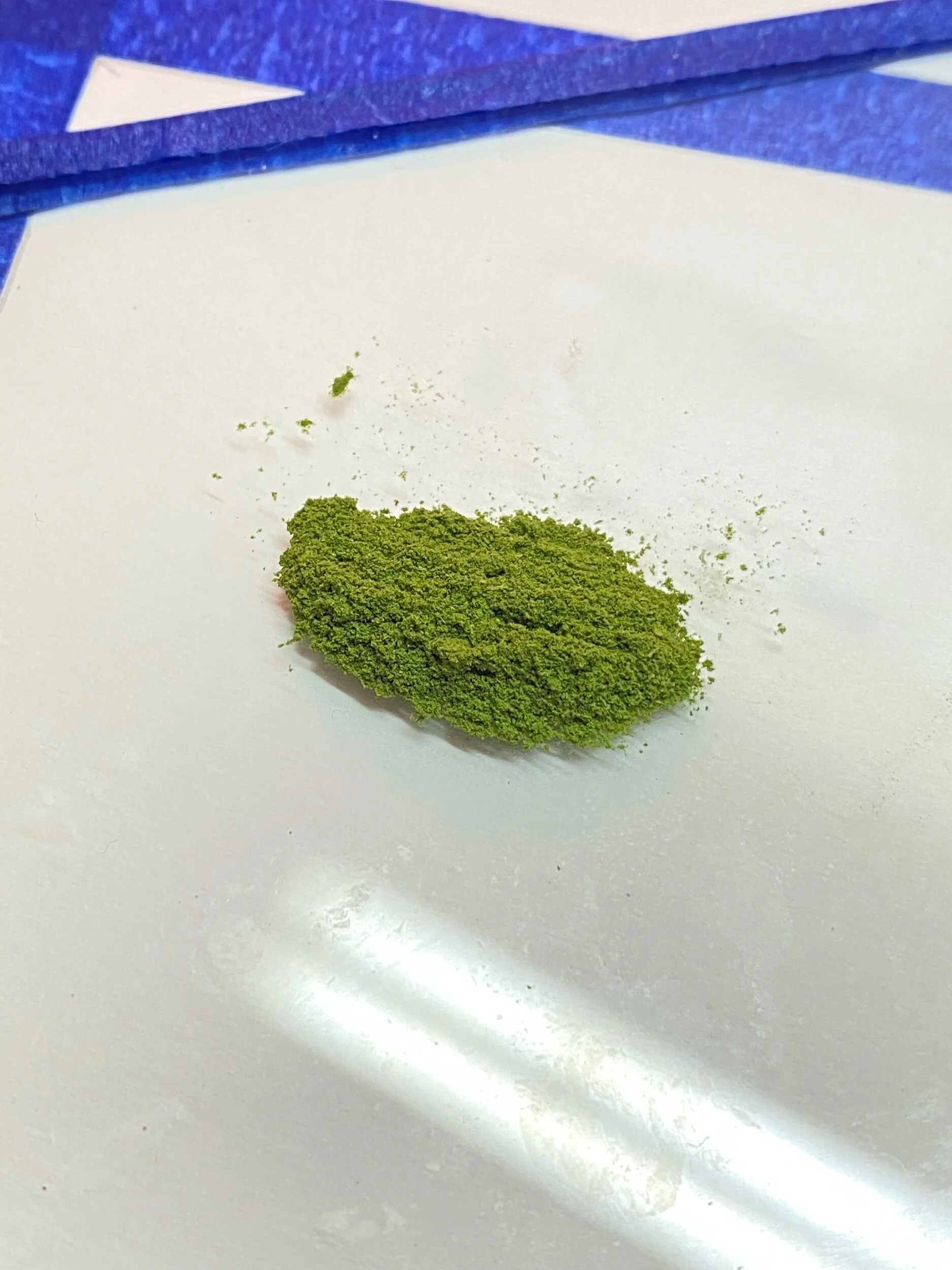
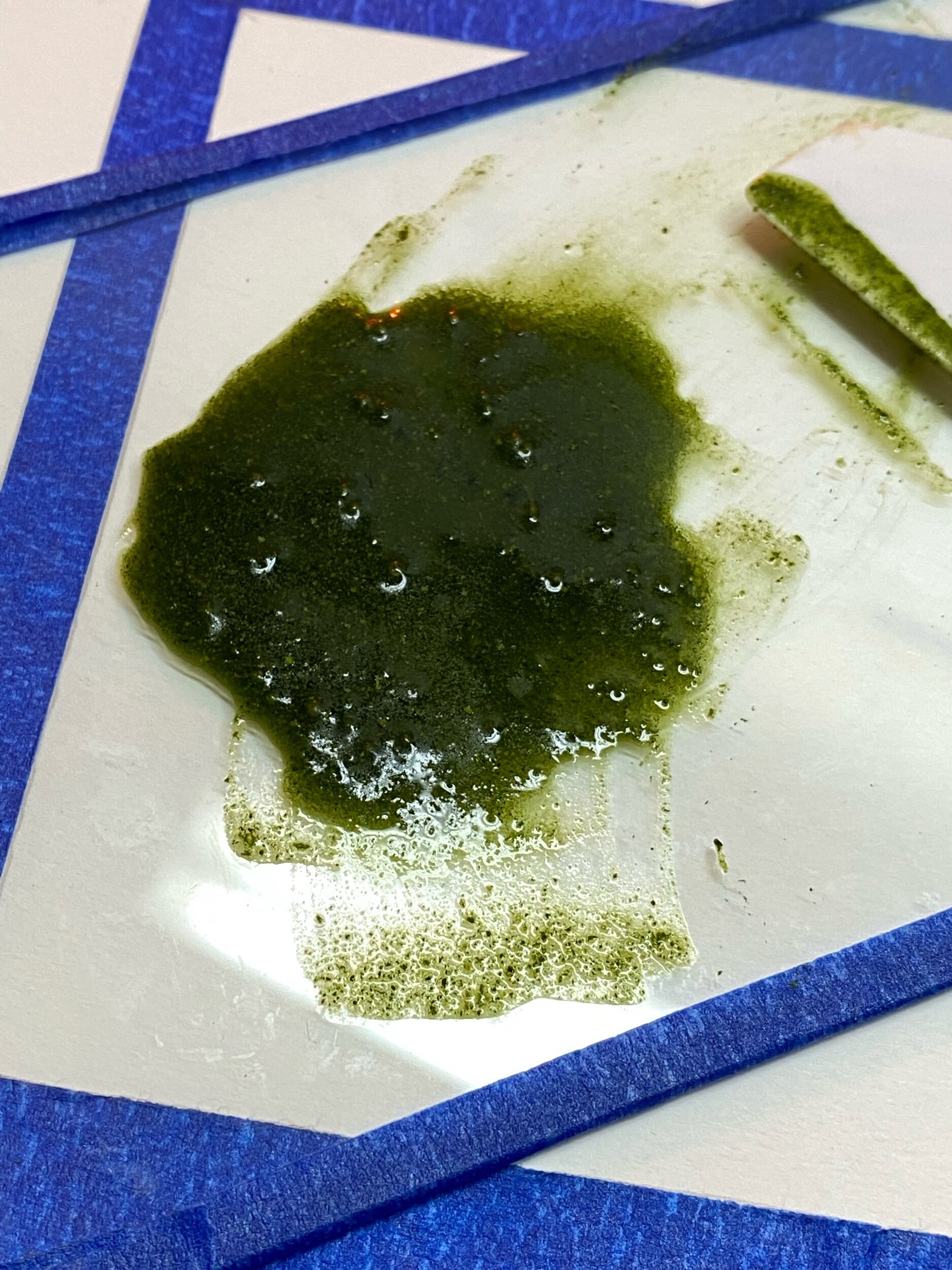
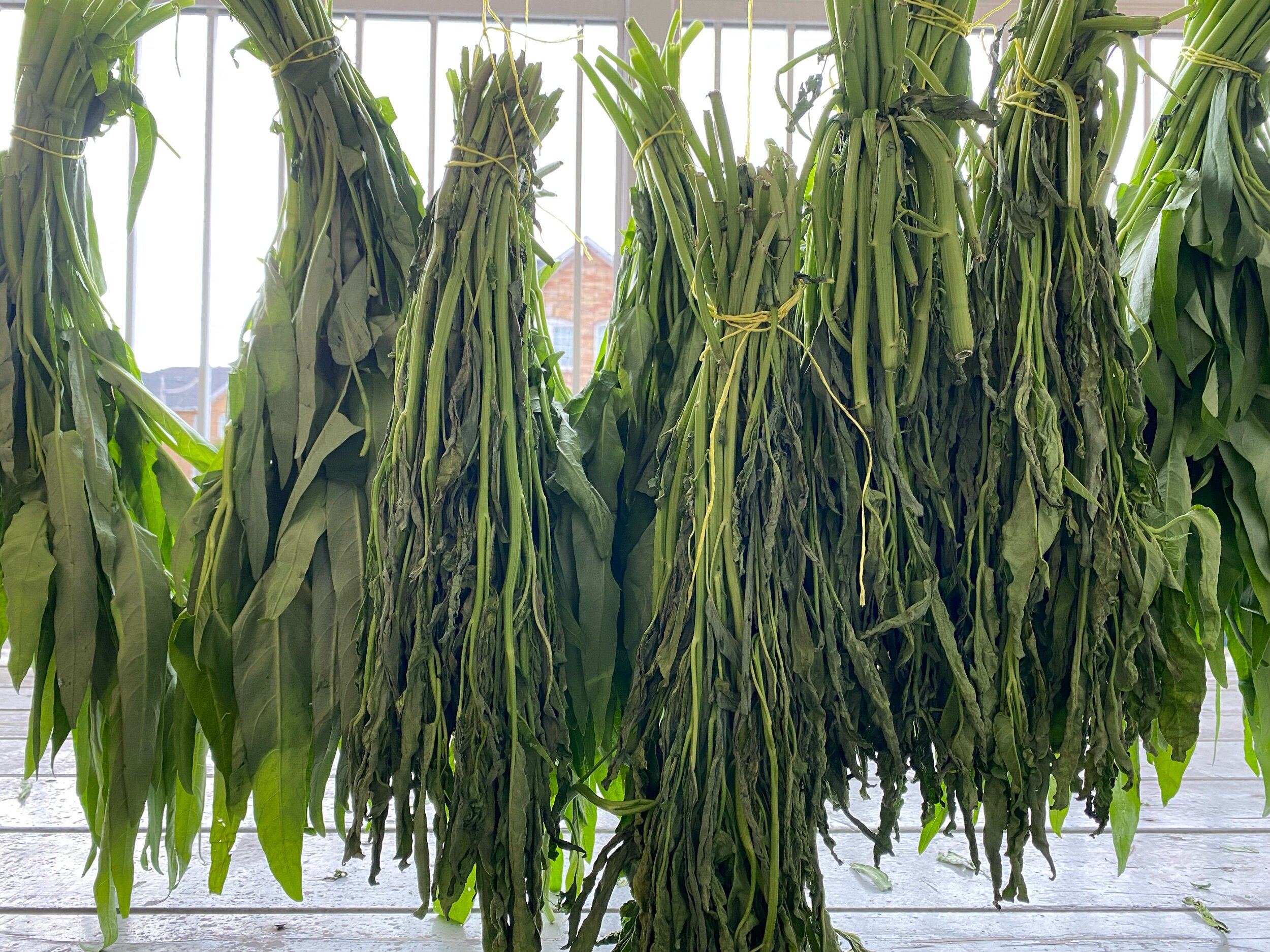
Filtering by Category: Studio

Frottage (2026-)

Added on by Alvin Luong.

Kuala Terengganu, Malaysia
Vietnamese Cemetery
March 2026


Breathing
2026
153 x 305cm (60 x 120”)
Color pastel on sheer fabric

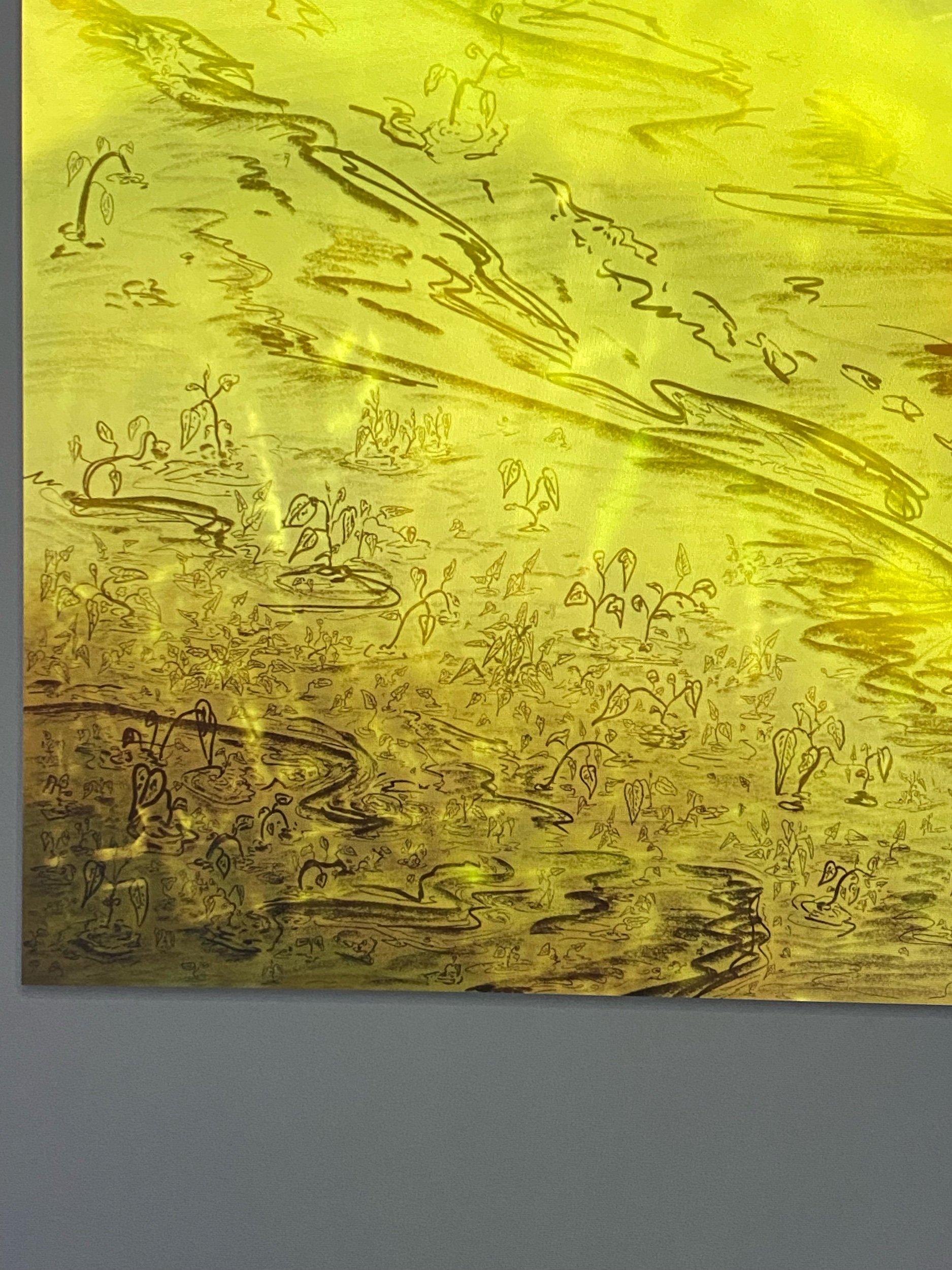
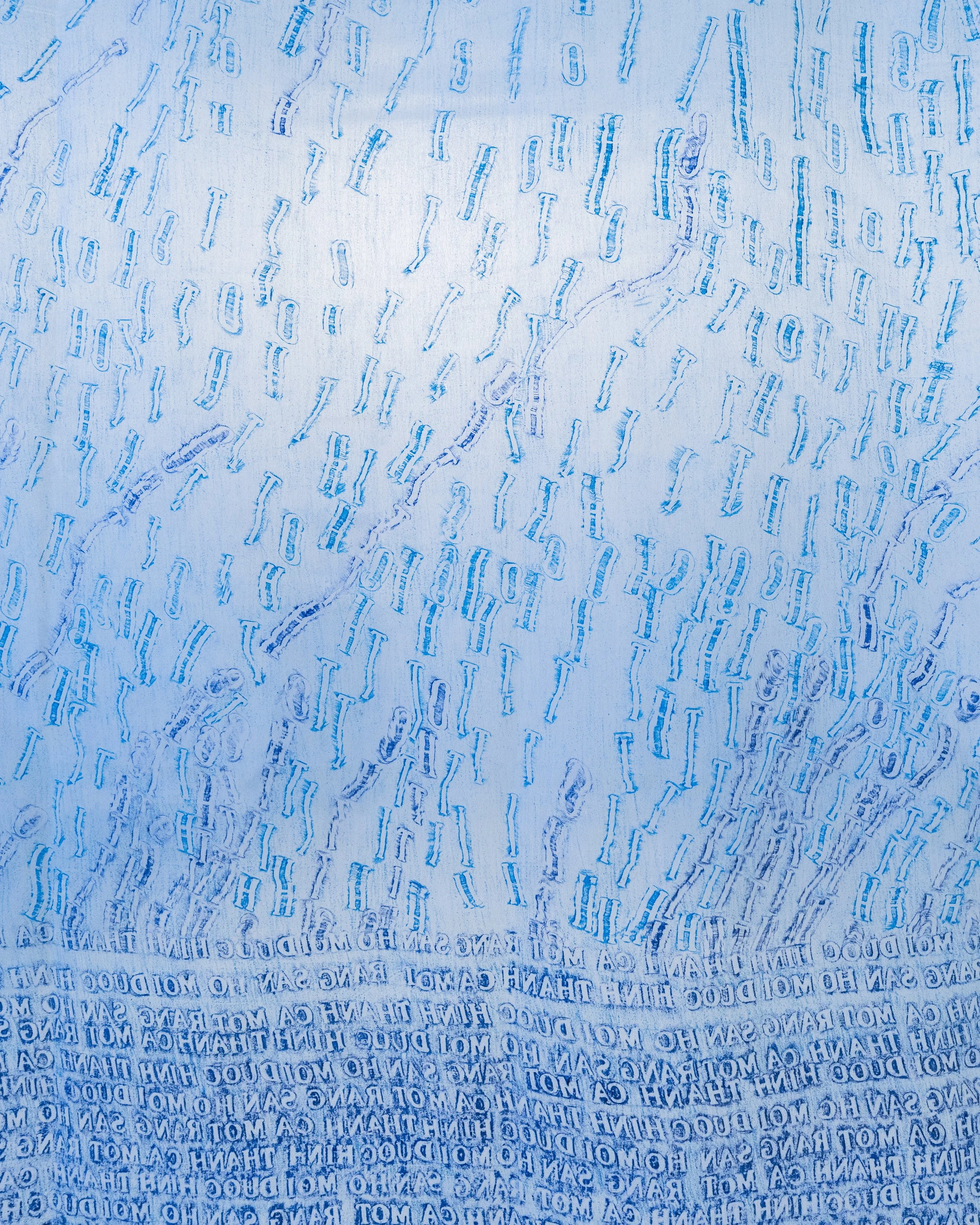
It has been two years since I started methods on how to use frottage. First as material experiments on A4 paper for Times Art Museum in Guangzhou (2024), video transcription at Mercer Union (2026), and now as a lyrical stand-alone drawings. The new drawings are monumental in size and experiment with process and form by ‘pulling’ letters as I impress them on the tombstone and controlling density or vastness based on the proximity and orientation of letters.

This drawing laboriously repeats the phrase “Breathing, A Whole Reef is Constructed”.

The words ‘Breathing’ span the monumental height of the artwork as the words stretch and twist like air bubbles ascending from the depths of the ocean. While the base of the drawing is densely stacked like a sea bed occupied by coral reefs with the phrase “A Whole Reef is Constructed”.

The frottage drawing was impressed at Vietnamese Cemetery in Kuala Terengganu, Malaysia. It expands my ongoing work, reimagining the drowned as reincarnated corals that exist on the same sea bed where people had once sunken to. These corals are now studied by marine biologists at UMT and are commercially farmed by Yayasan to fill aquariums across the globe.

It is important to me that the process physically embodies the process of migration. The fabric is cut to size and folded to fit my backpack, allowing me to reach and work at the remote cemetery in KT. The drawings are far too precious to place in checked luggage, so that stay with me at all times in a backpack or a carry-on suitcase (which is also a pain when relying on regional planes in Malaysia). The folds and wrinkles are markers of its production and movement between Malaysia, Vietnam, and Canada. This movement mirrors the same trajectory as many of the diaspora.

With this process, and that of my recent film making, I think about the studio as a mobile and itinerant site. Taking place in a graveyard, an island, a hotel room, an aquarium filtration room. Material, process and form is discovered through field research and through social relationships. It makes it difficult to distill in a normative studio visit, so I started to document the frottage process as an articulation of this expanded studio.
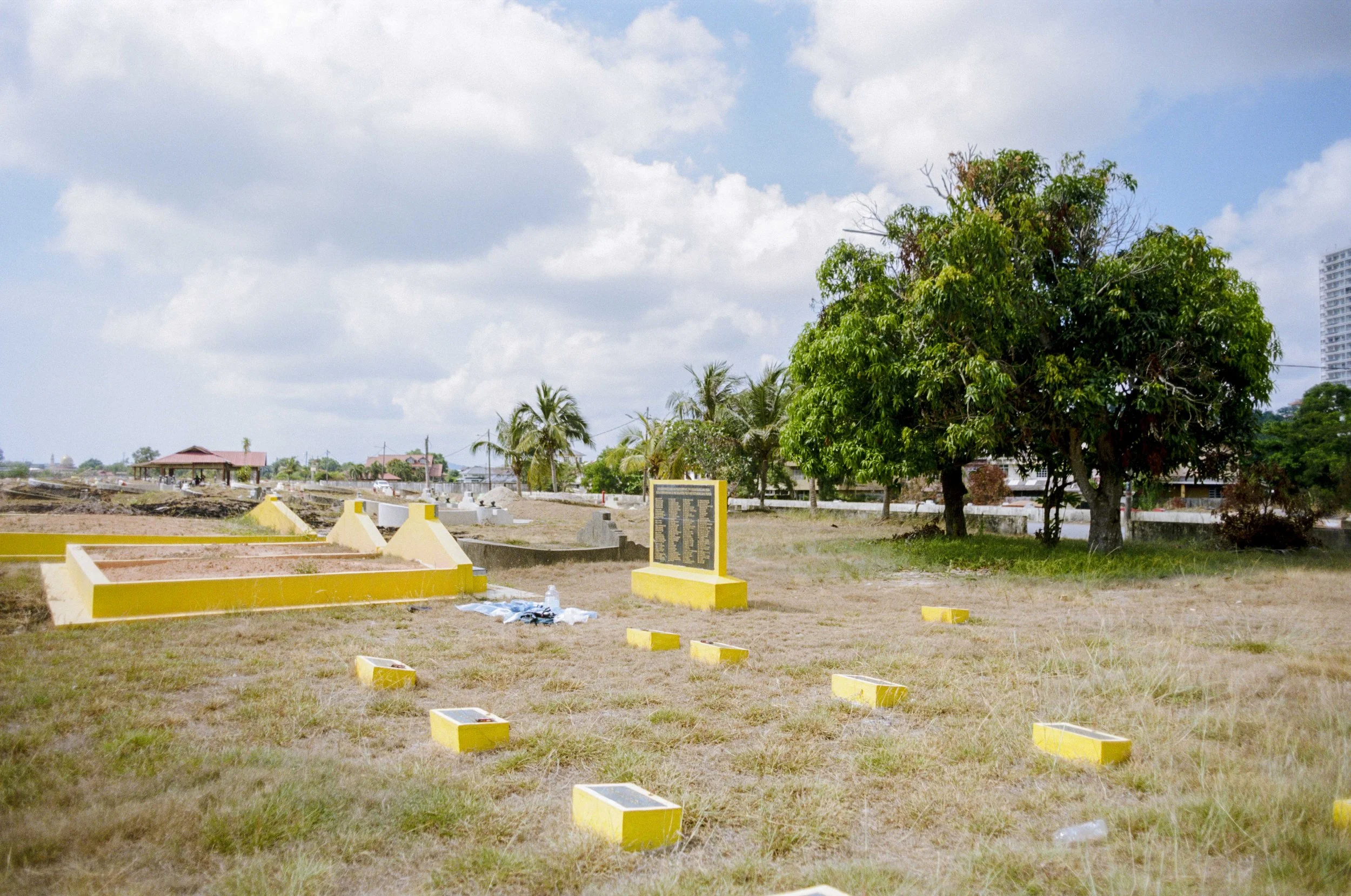
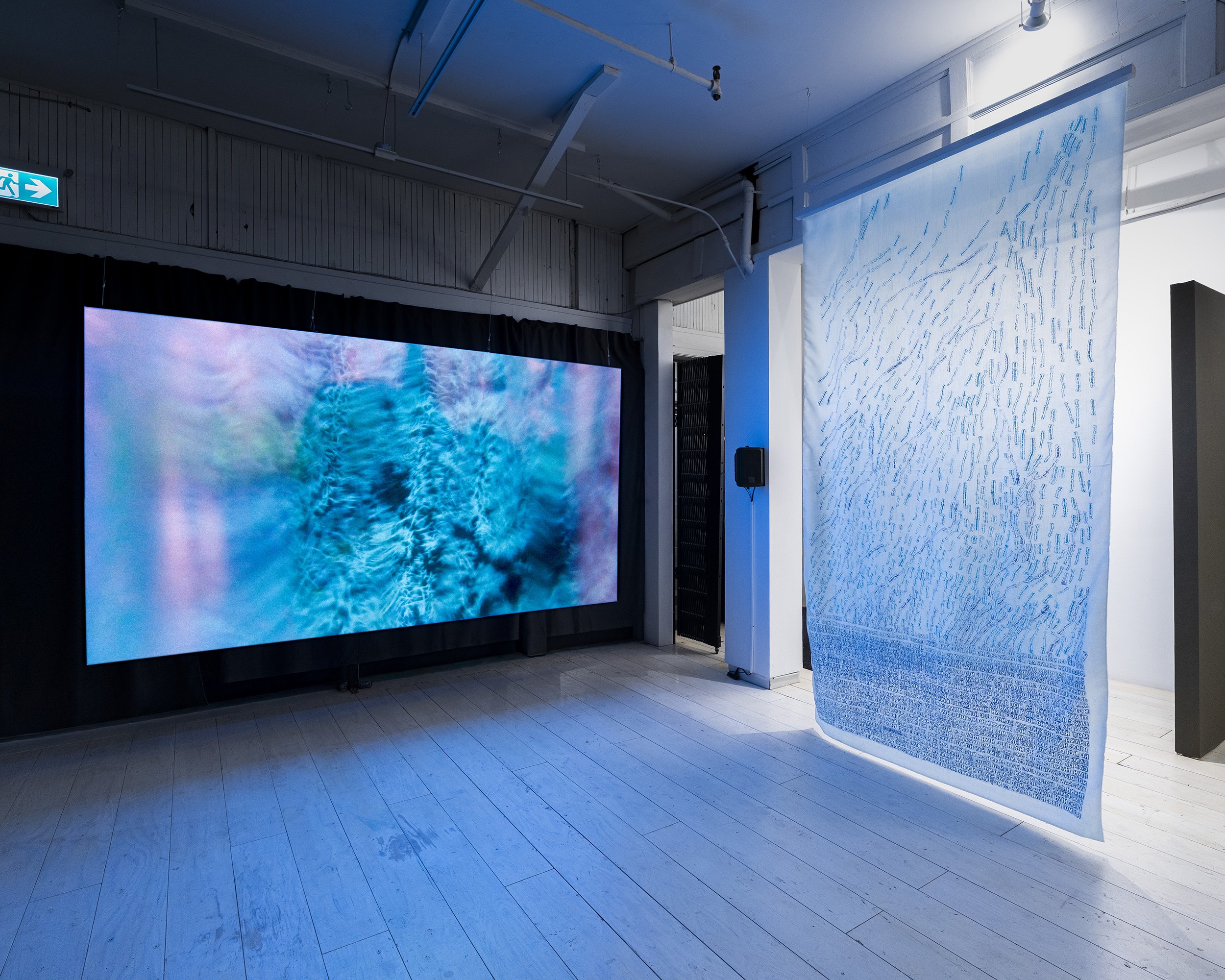
“Before I was Coral, I was a Refugee”, a solo exhibition at Access Gallery in Vancouver, Canada.
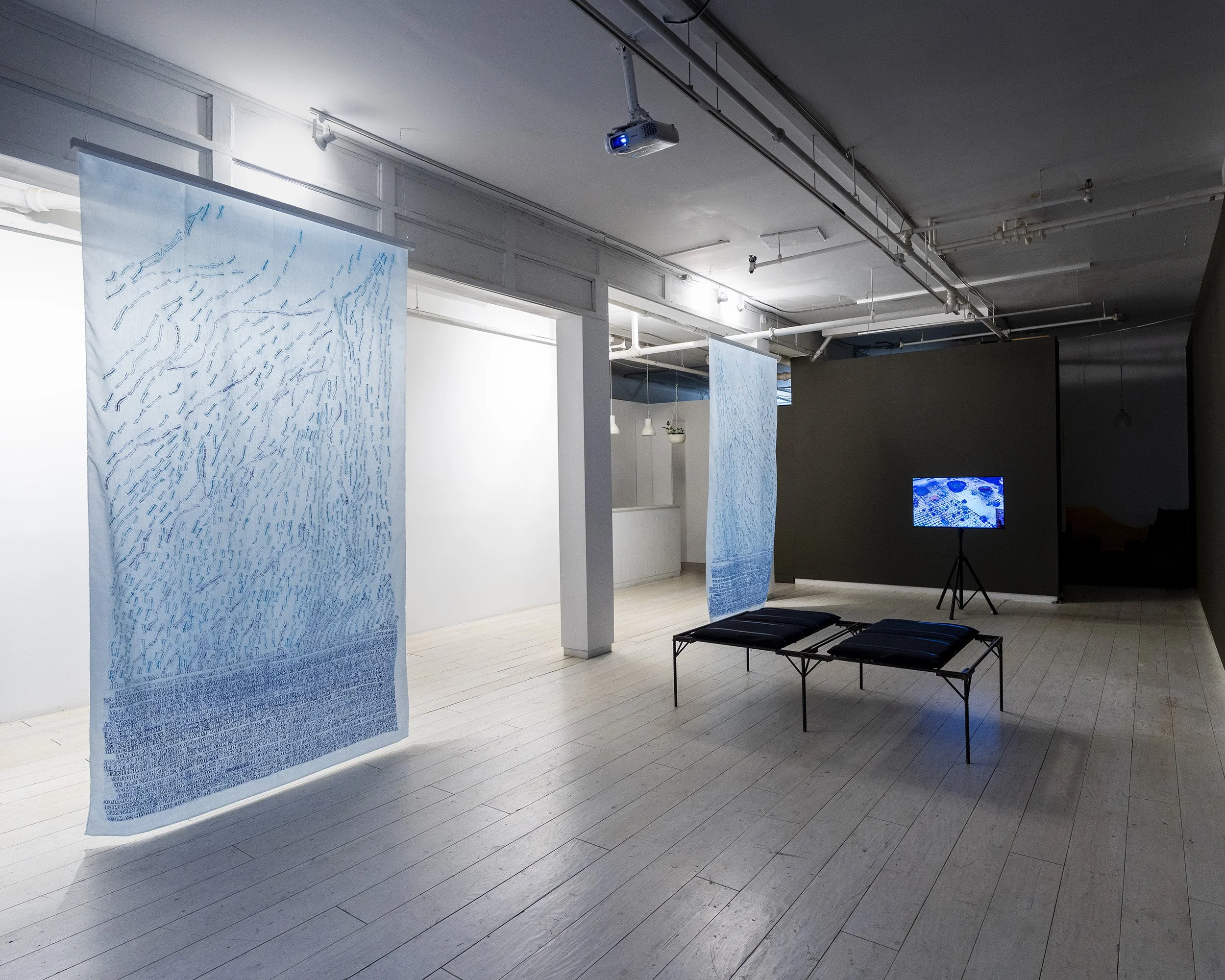
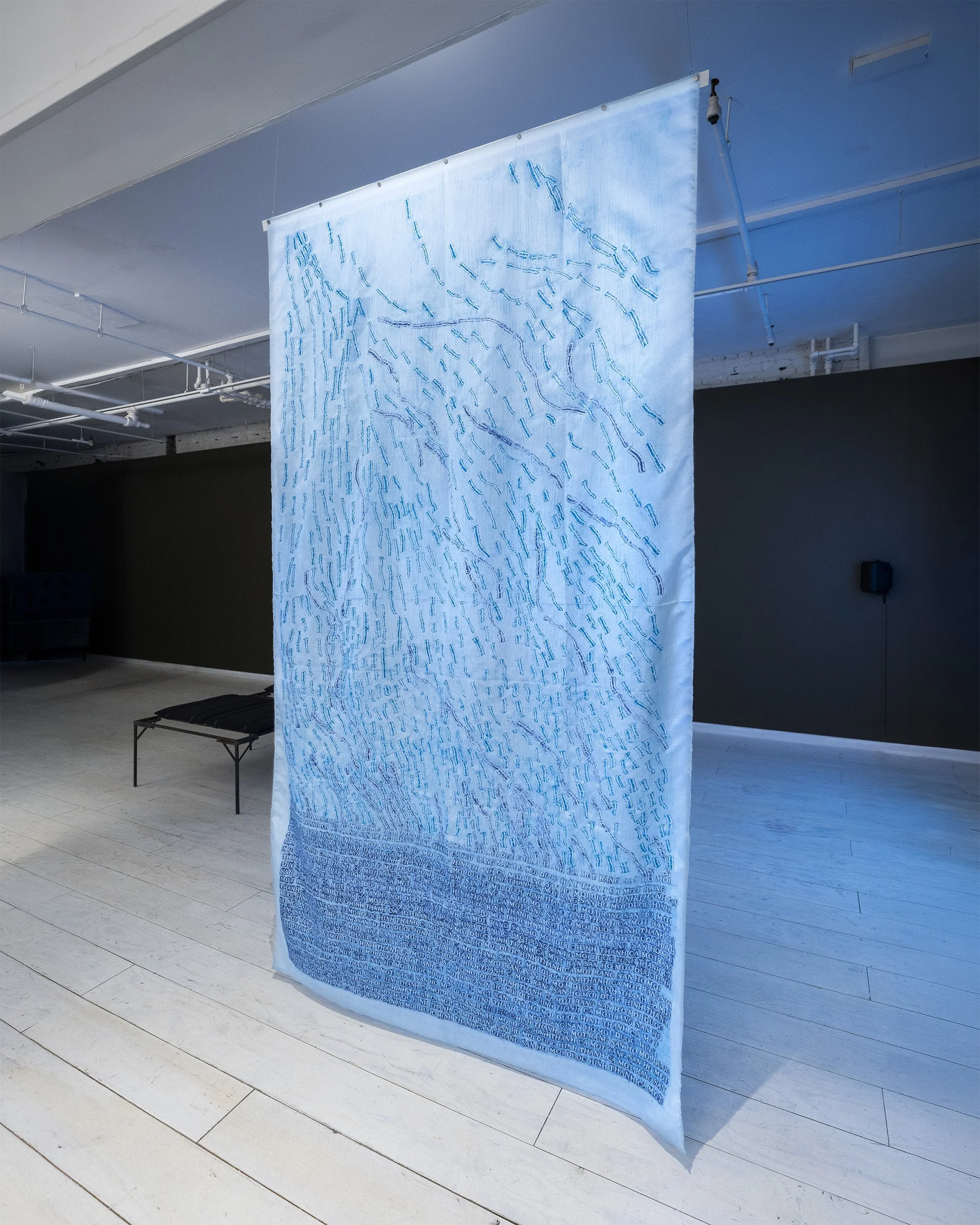
‘Hit Tho’
Monologue: Calcium Breather - For ARTIFACT Journal 2025 (Vietnam Art Collection)

Added on by Alvin Luong.

In the summer of 2025, Sophie Huang from VAC invited me to contribute to the second annual issue of ARTIFACT Journal published by VAC.

Expanding on the thoughts that were put in formation from my interview with curator Tak Pham in C Magazine, I contributed a monologue to ARTIFACT Journal reflecting on the condition of travel for refugees and coral from Bidong Island to the broader world, and the production of Corals of Bidong and Camp Atlanta.

The free digital copy of the journal is distributed here: https://www.vac.art/artifact

With select physical copies, including the Vietnamese edition, at VAC in Hanoi and Shanghai.

Tunnel Rats and Sewer Holes (Hole Story Sketch)

Added on by Alvin Luong.

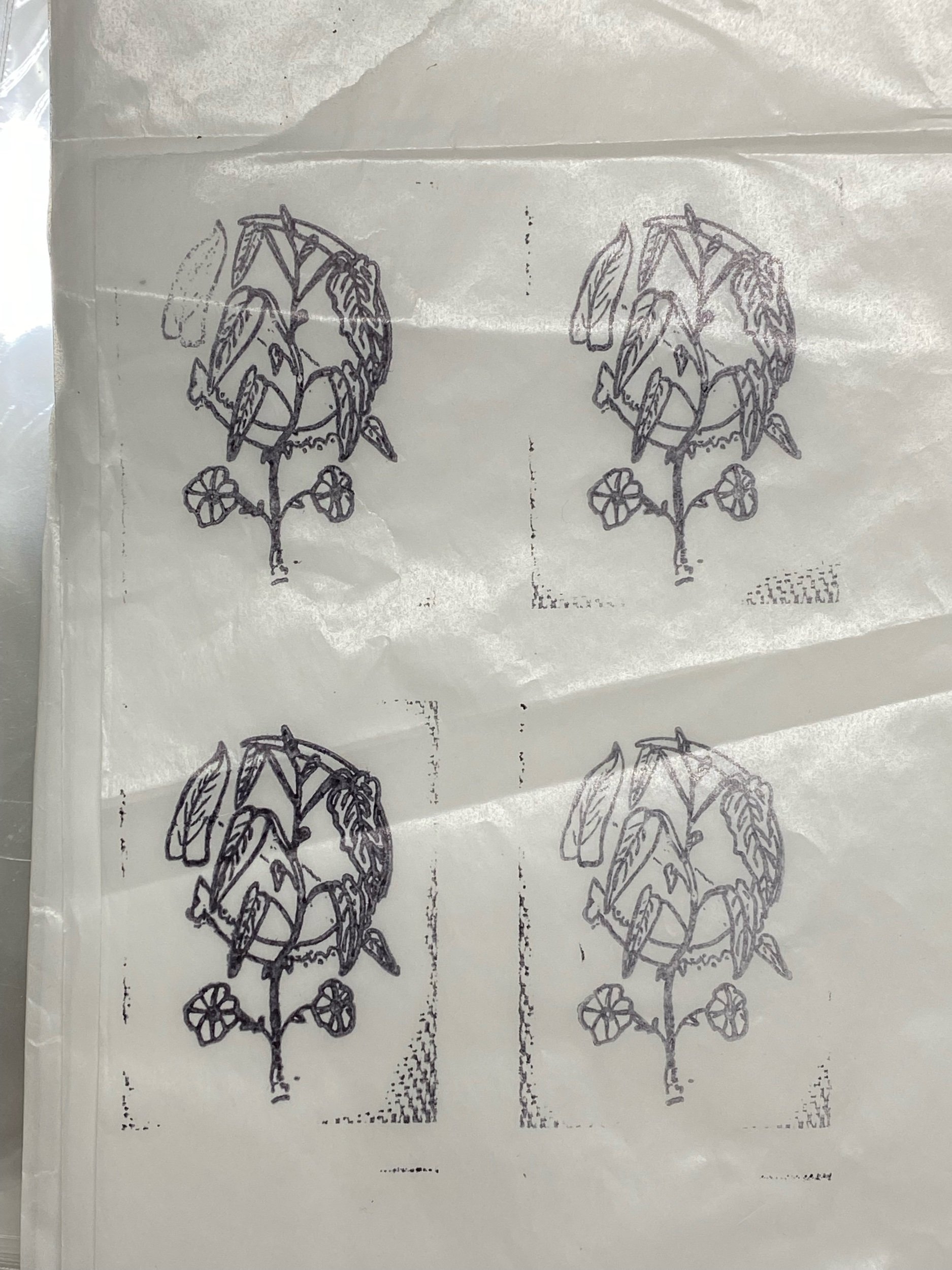
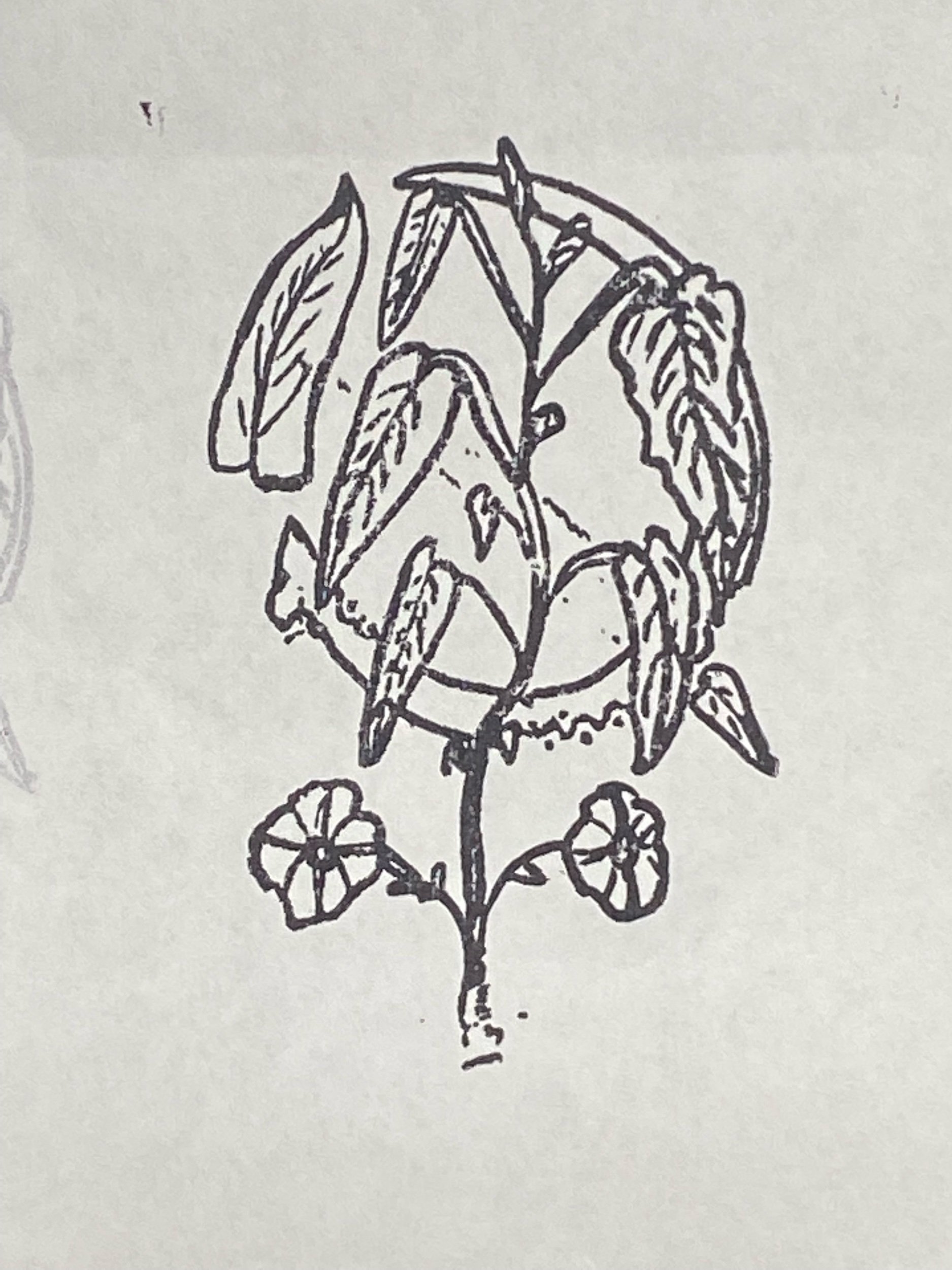
Some video tests using cheap xerox prints and diptych strategies to combine images of “tunnel rats” and exposed sewage holes around my family home on the outskirts of Ho Chi Minh City. “Tunnel Rats” were often shorter American troops who crawled thru underground tunnel systems in search of Vietnamese guerrillas who built the tunnels to evade aerial assaults. The sewage holes are a result of a contemporary botched real estate development on land that formally trained guerrillas to fight the French and American colonizers.

Ration Market (11.02.2022)

Added on by Alvin Luong.

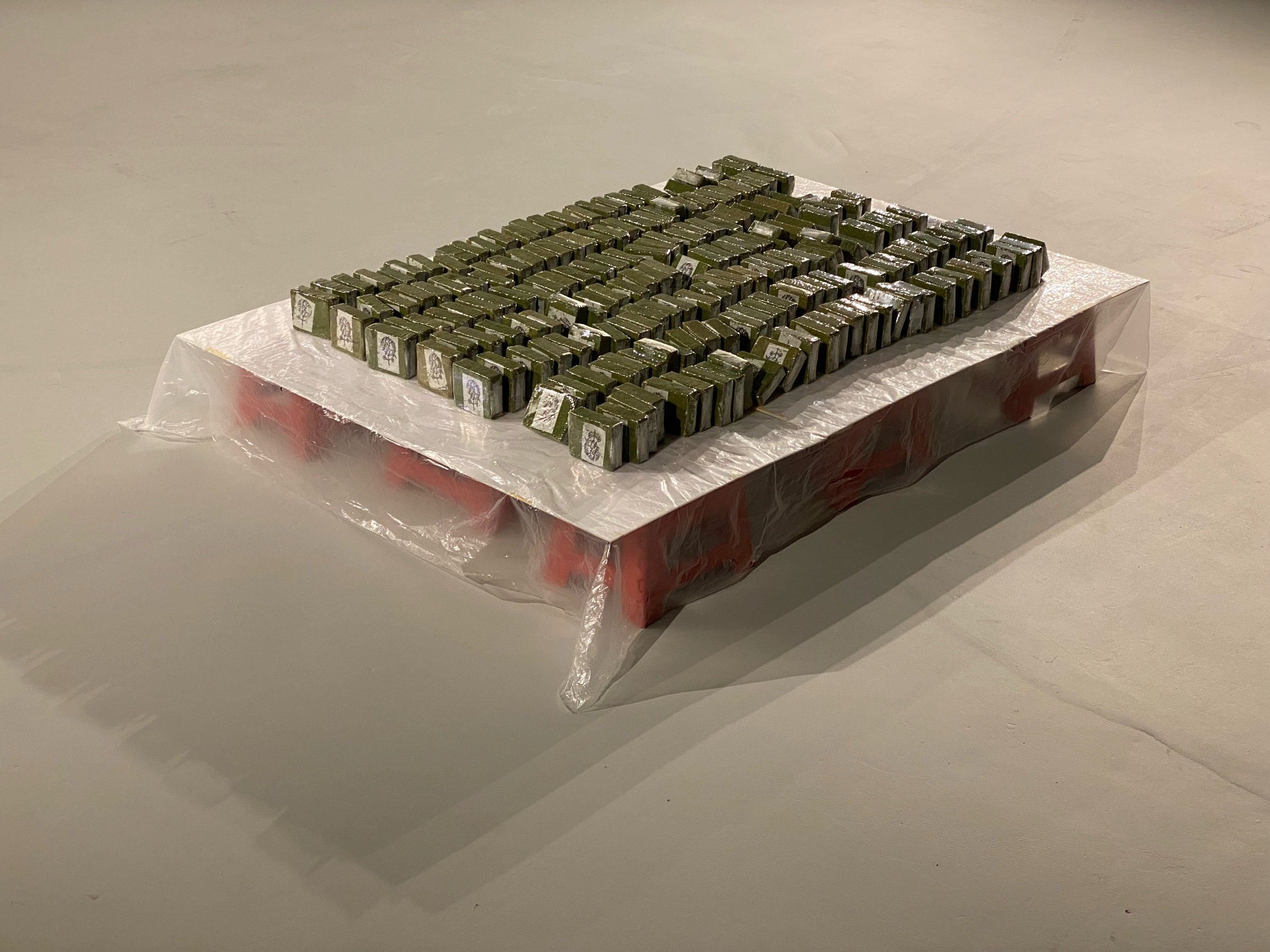
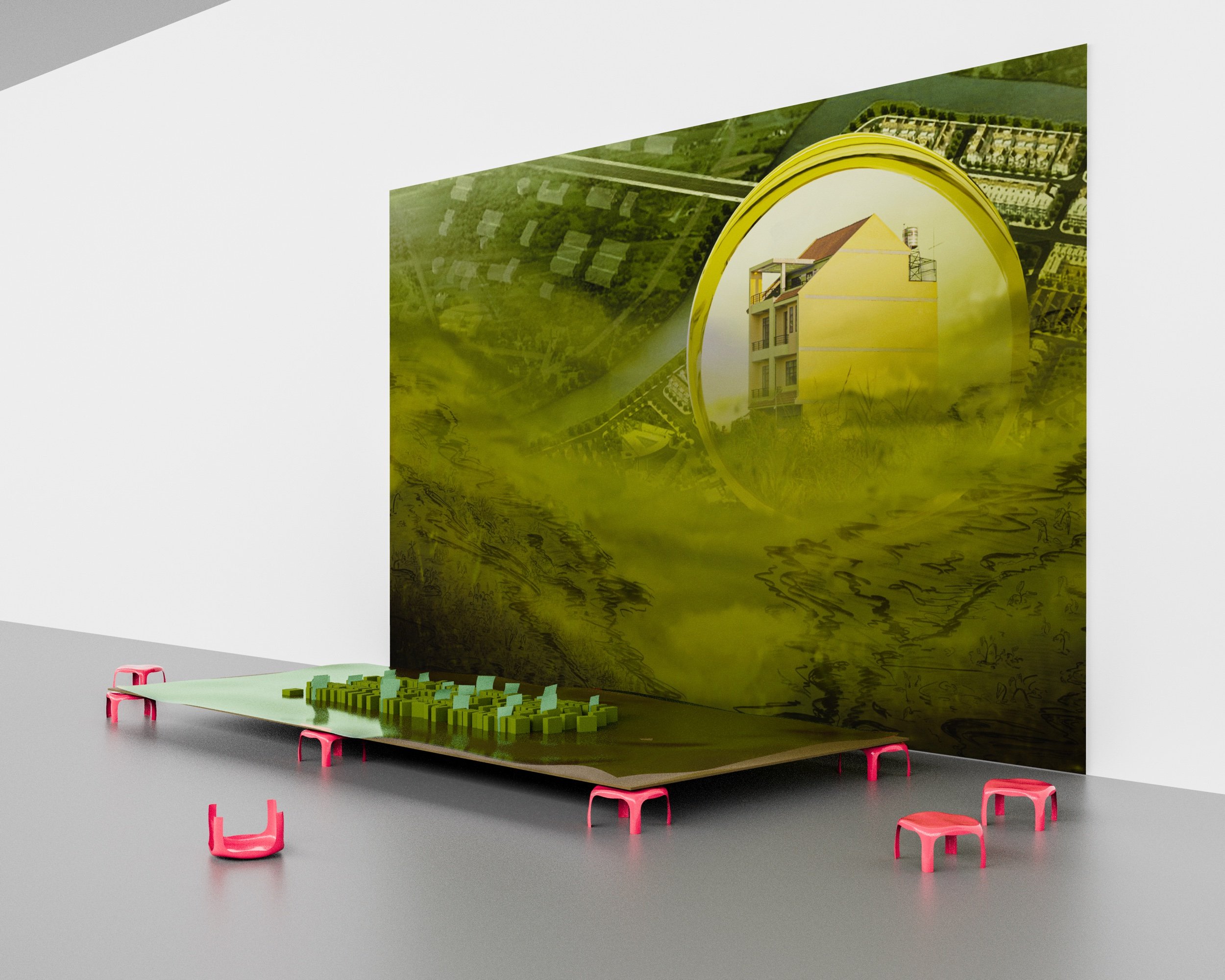
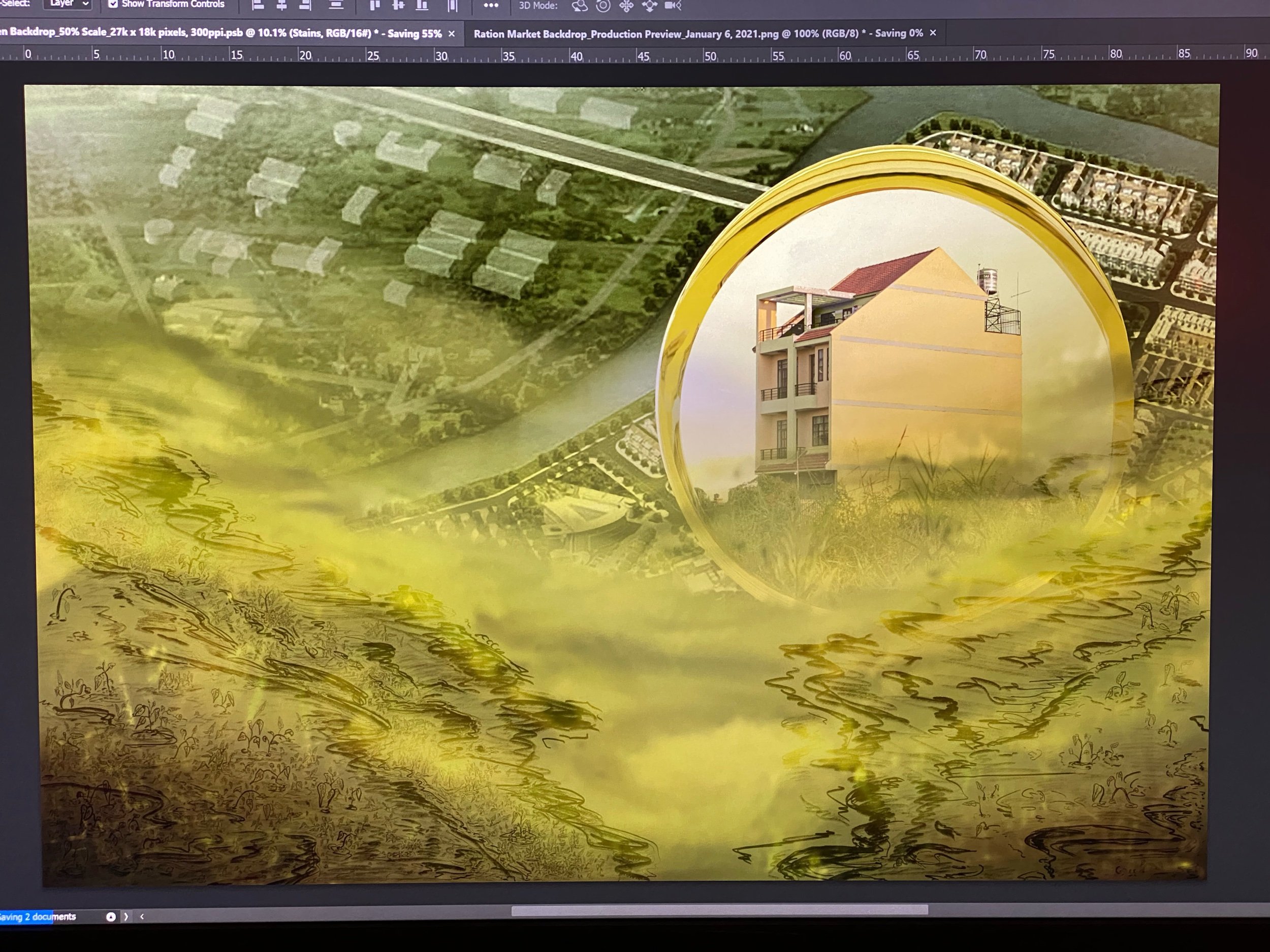
Ration Market (11.02.2022)
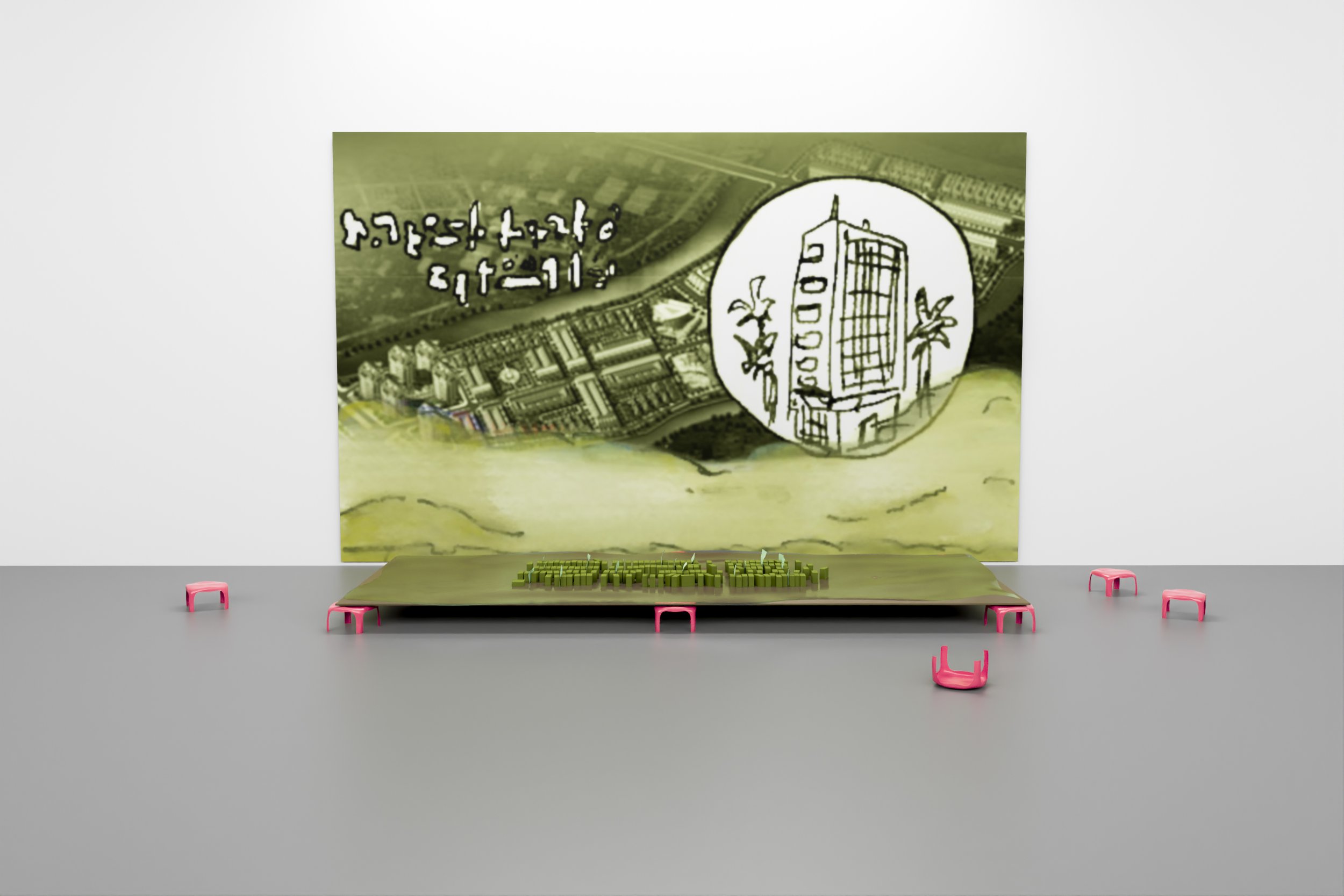
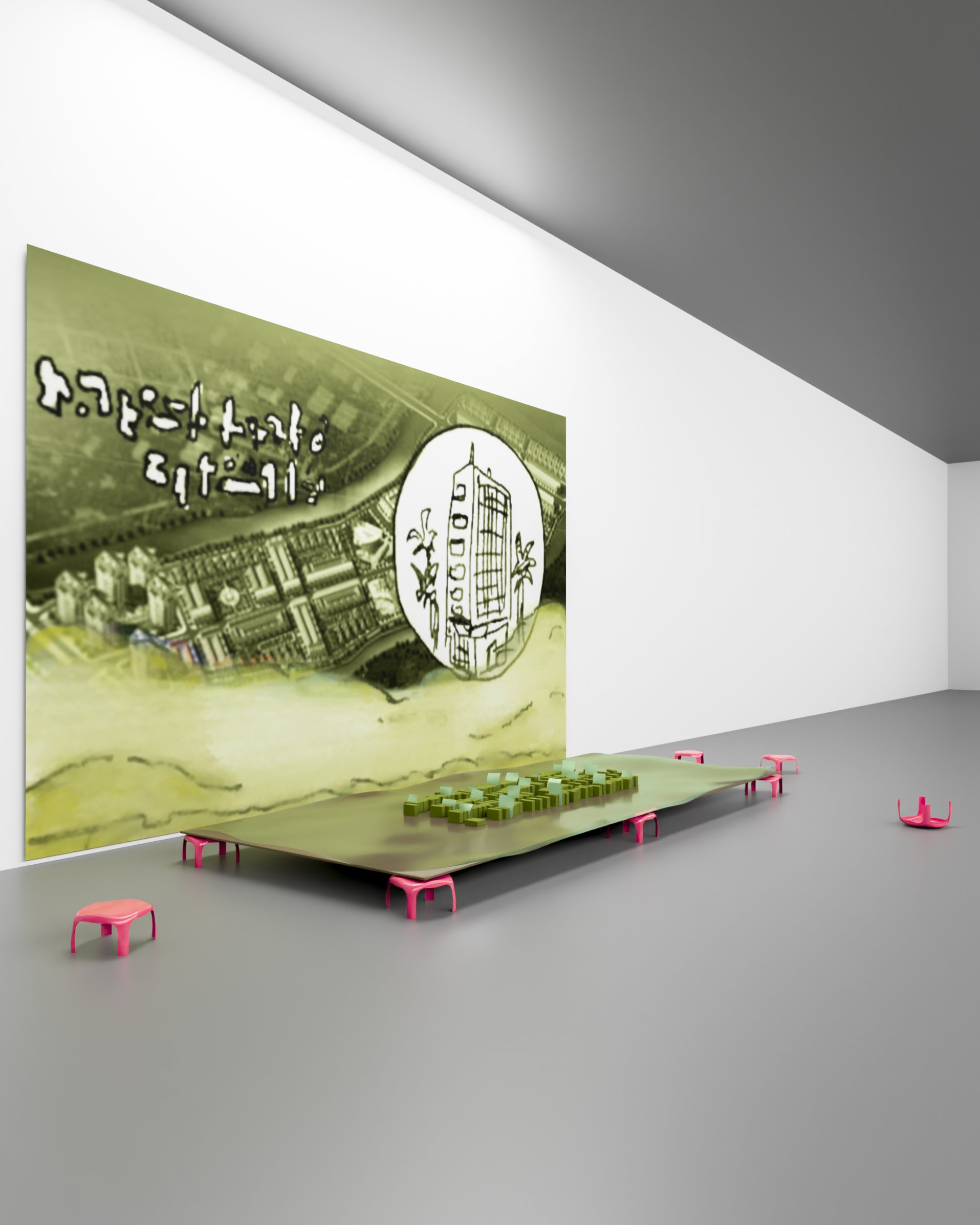
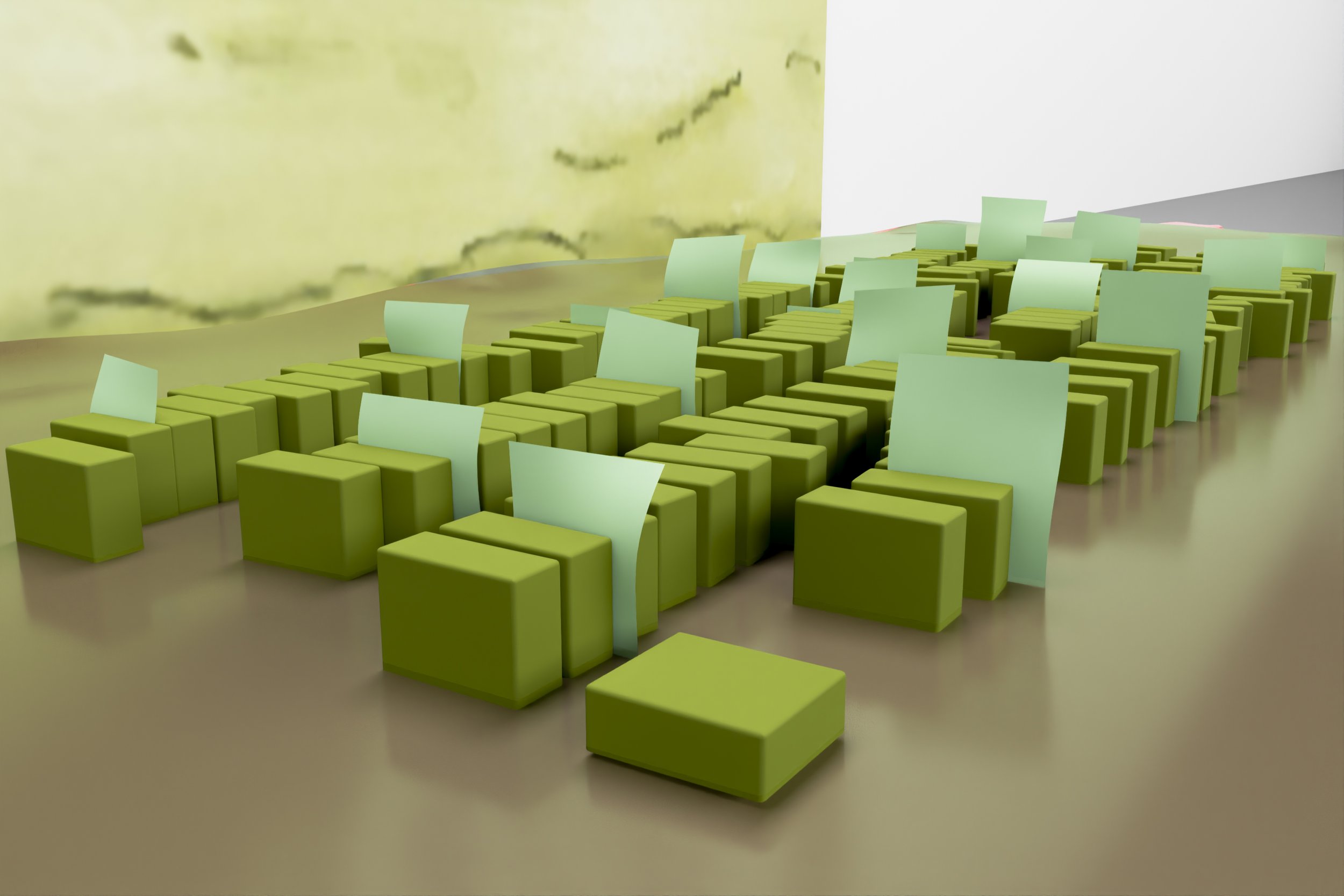
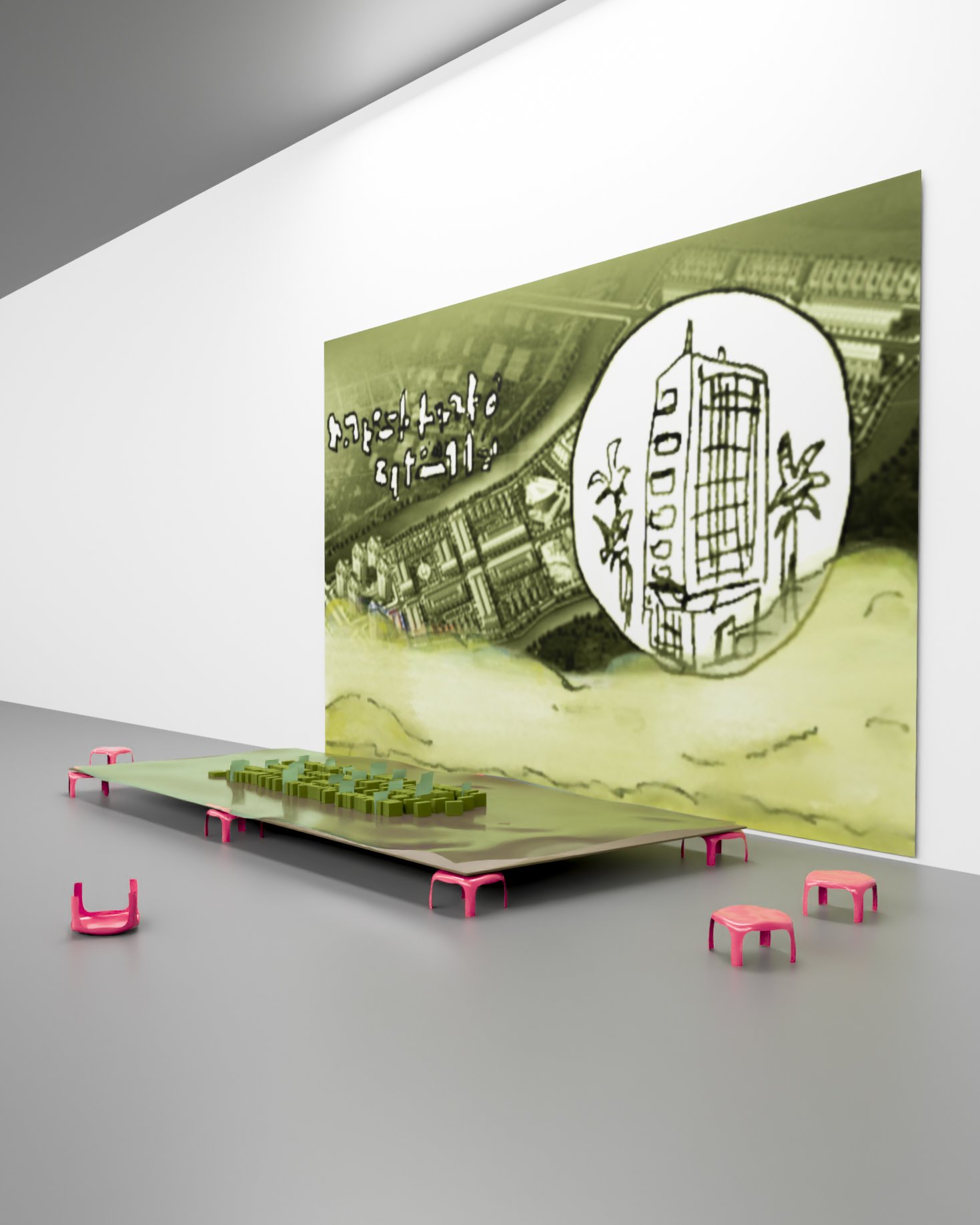
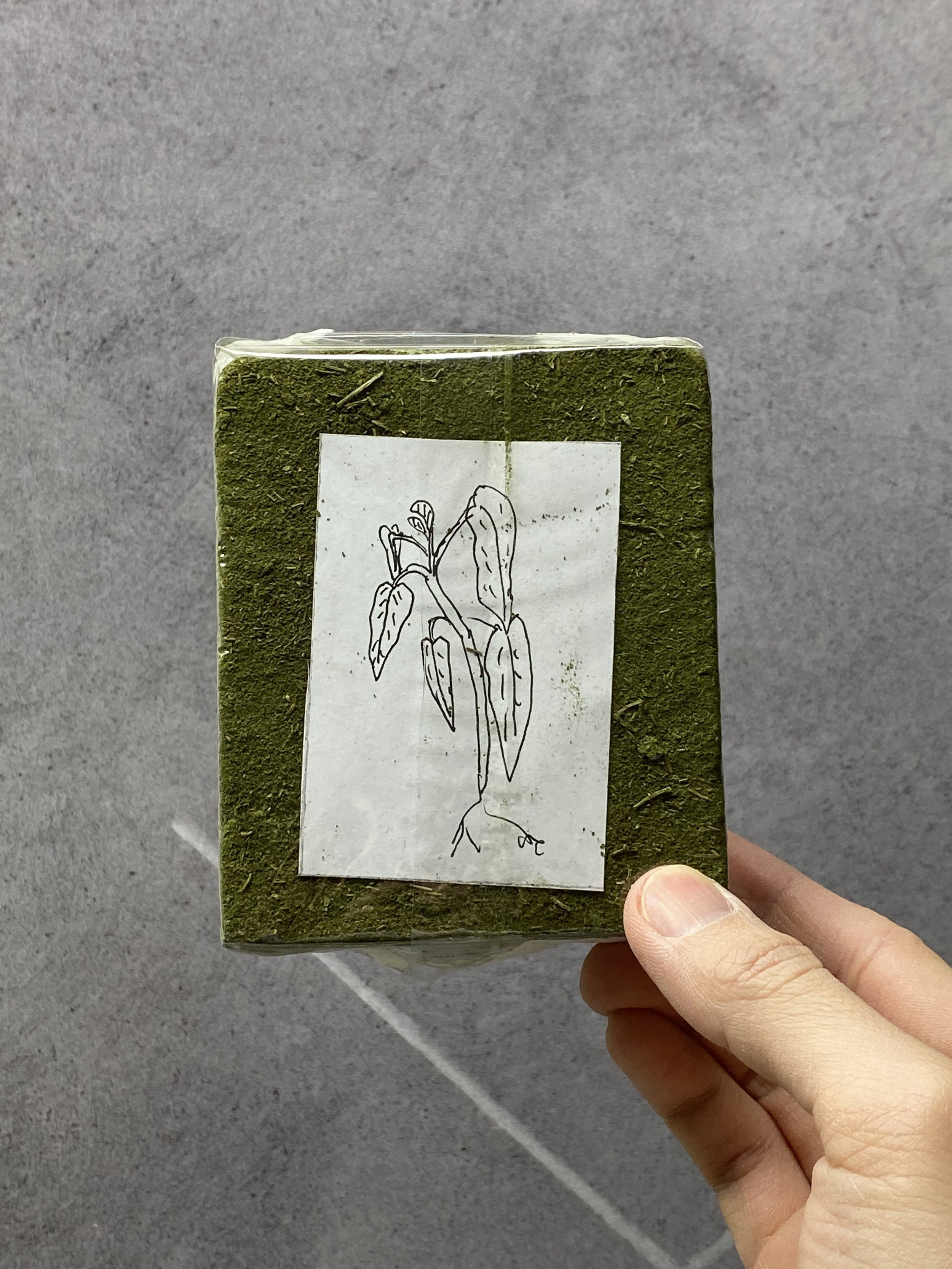
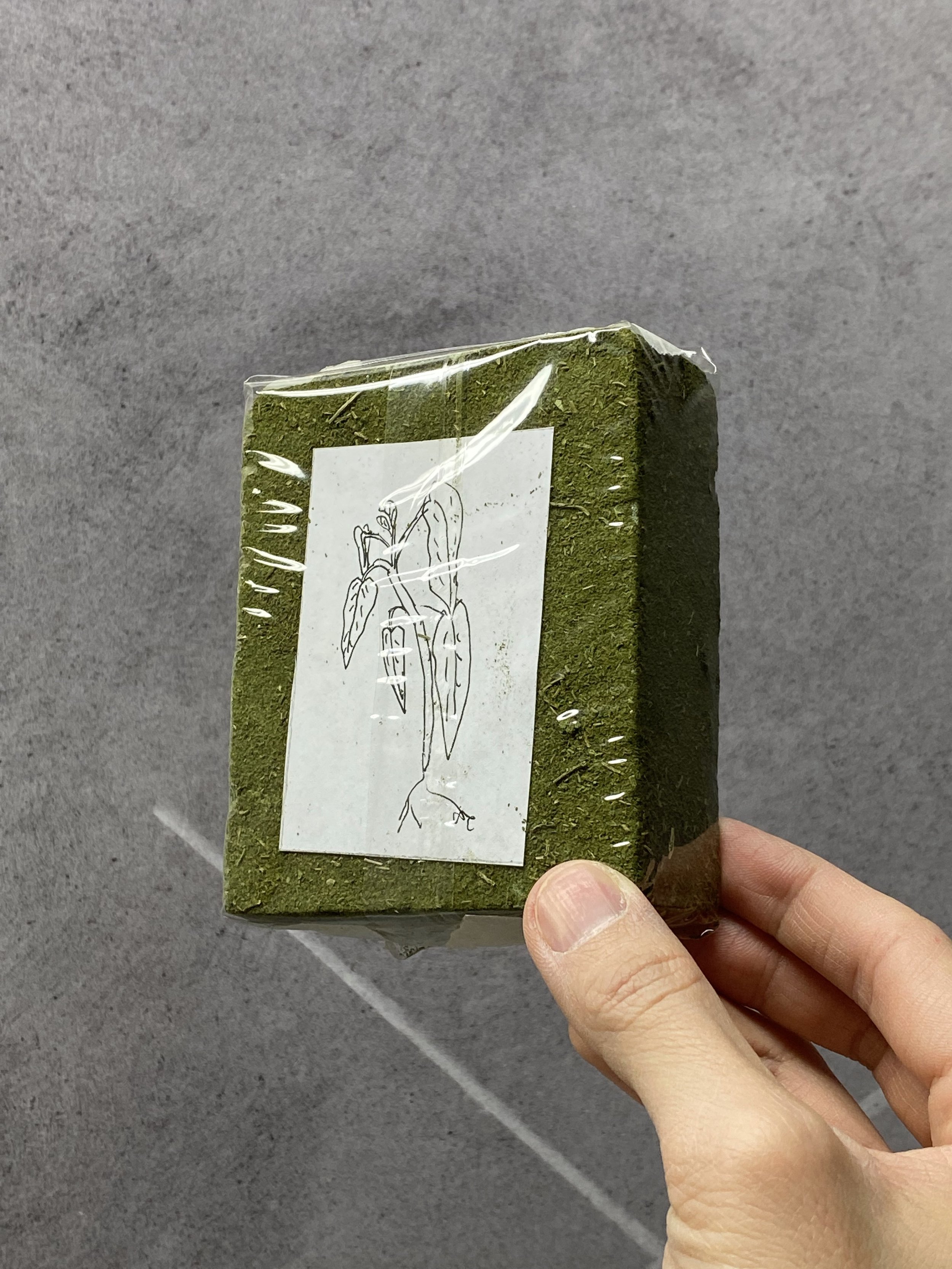
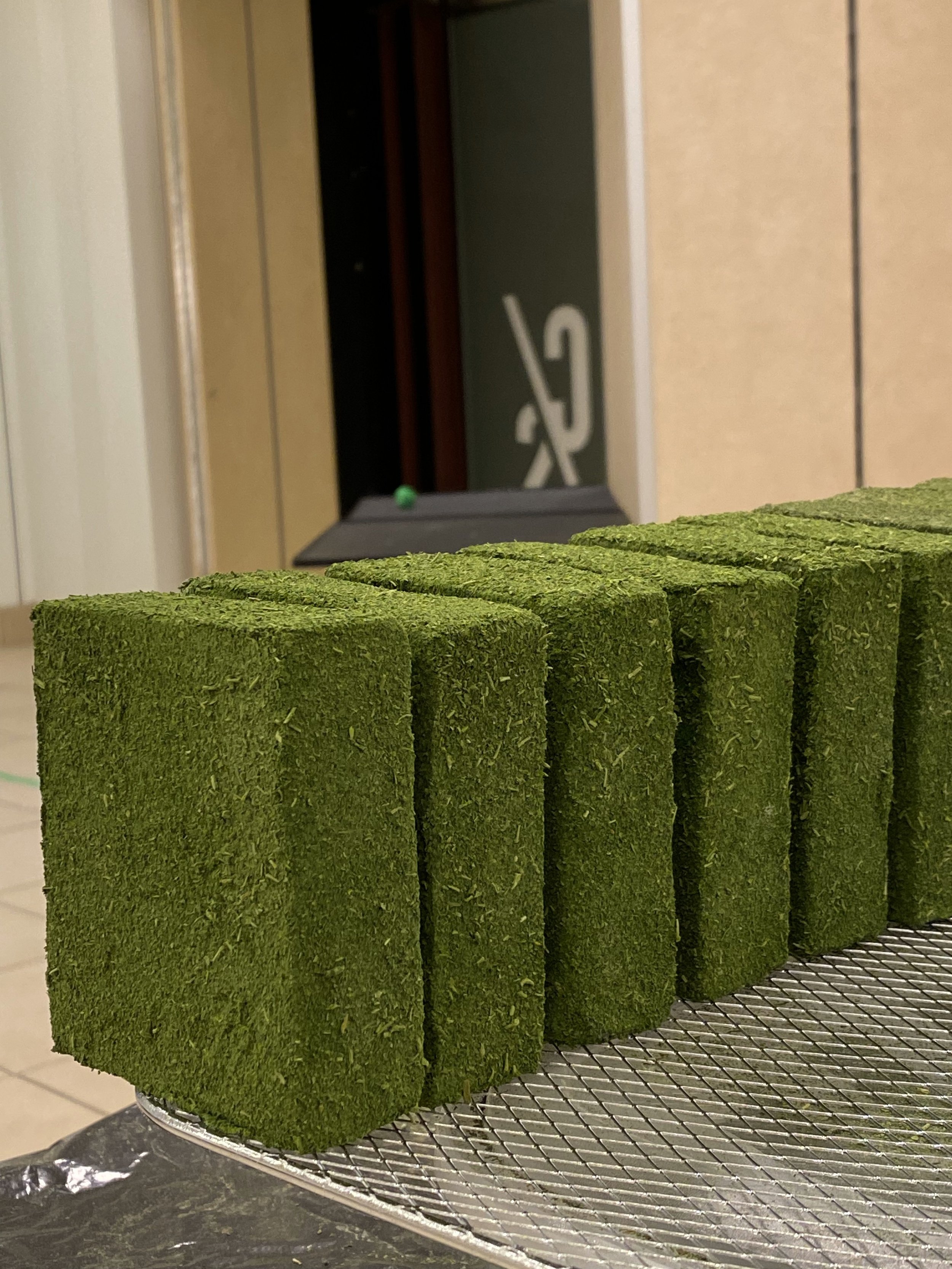
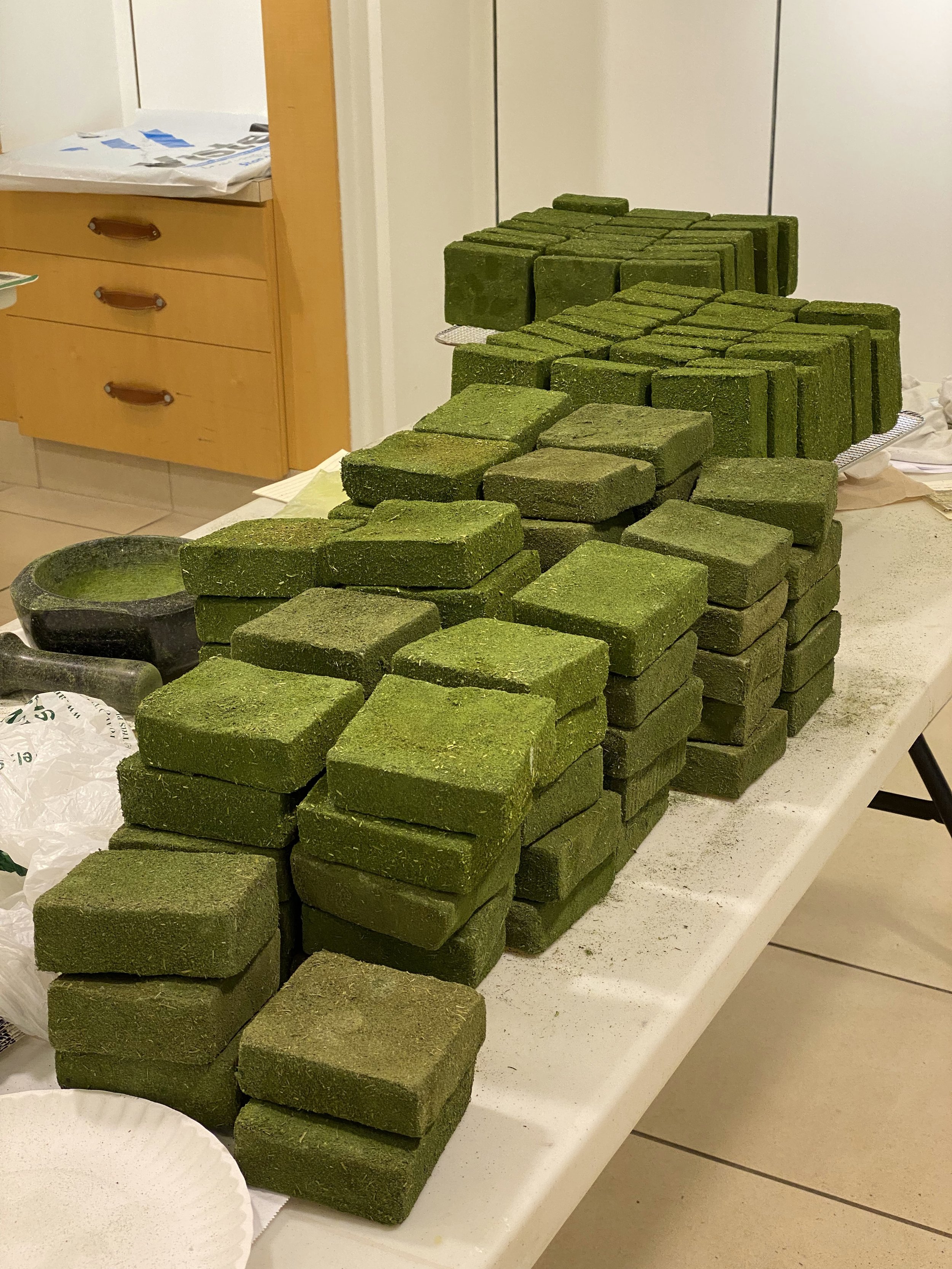
200 survival rations made of river spinach/通菜/rau muông, 1 cut plastic sheet, 3 found plexi sheets, 9 red stools.

Moving forward, I’d like to make every installation of the ‘Ration Market’ unique by detailing the materials used to install the work, the amount of rations being installed, and using materials around the site of the installation.
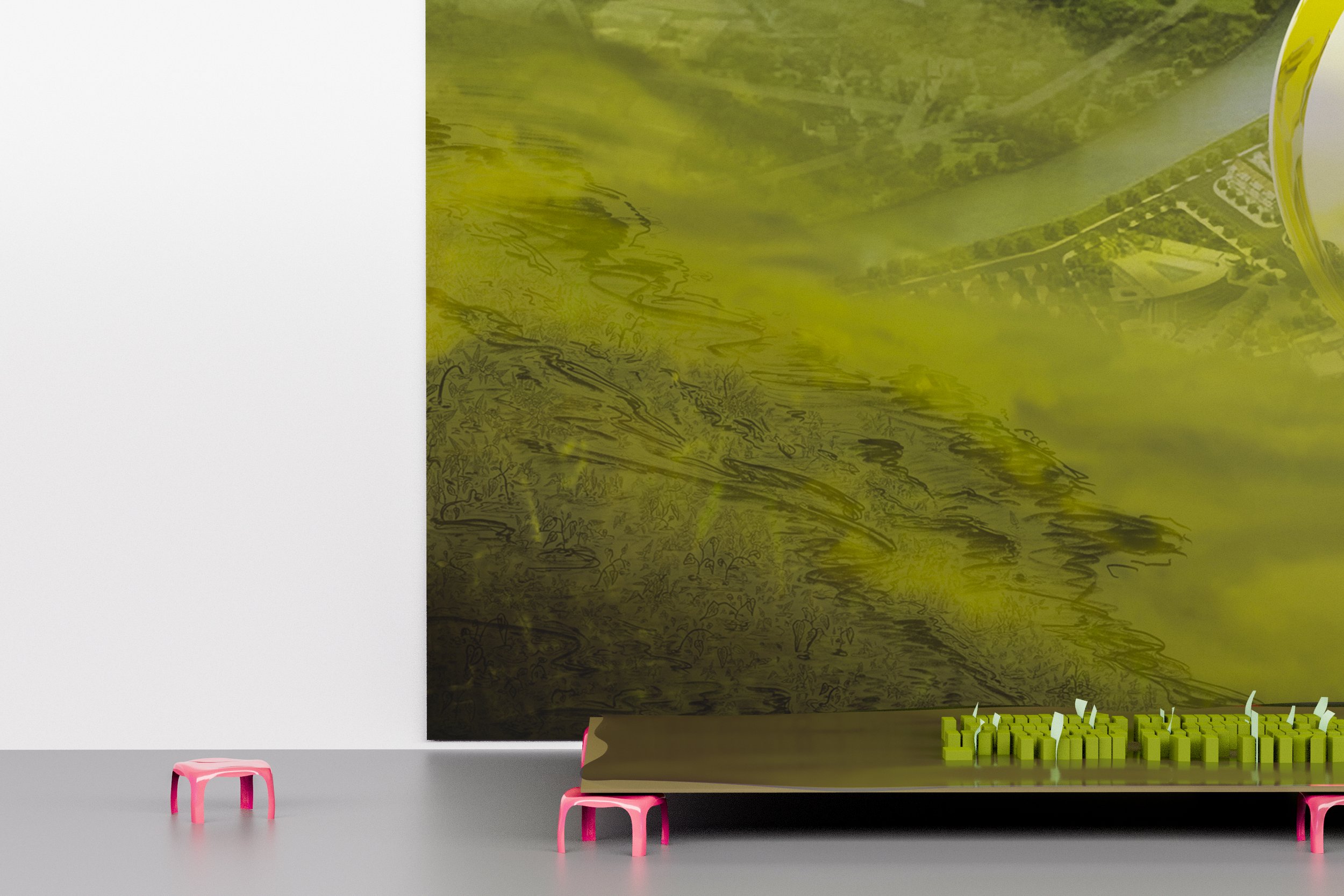
Each iteration of a ‘Ration Market’ should be noted by date and documented. The installation should be provisional and low-end.

Forever sunset

Added on by Alvin Luong.

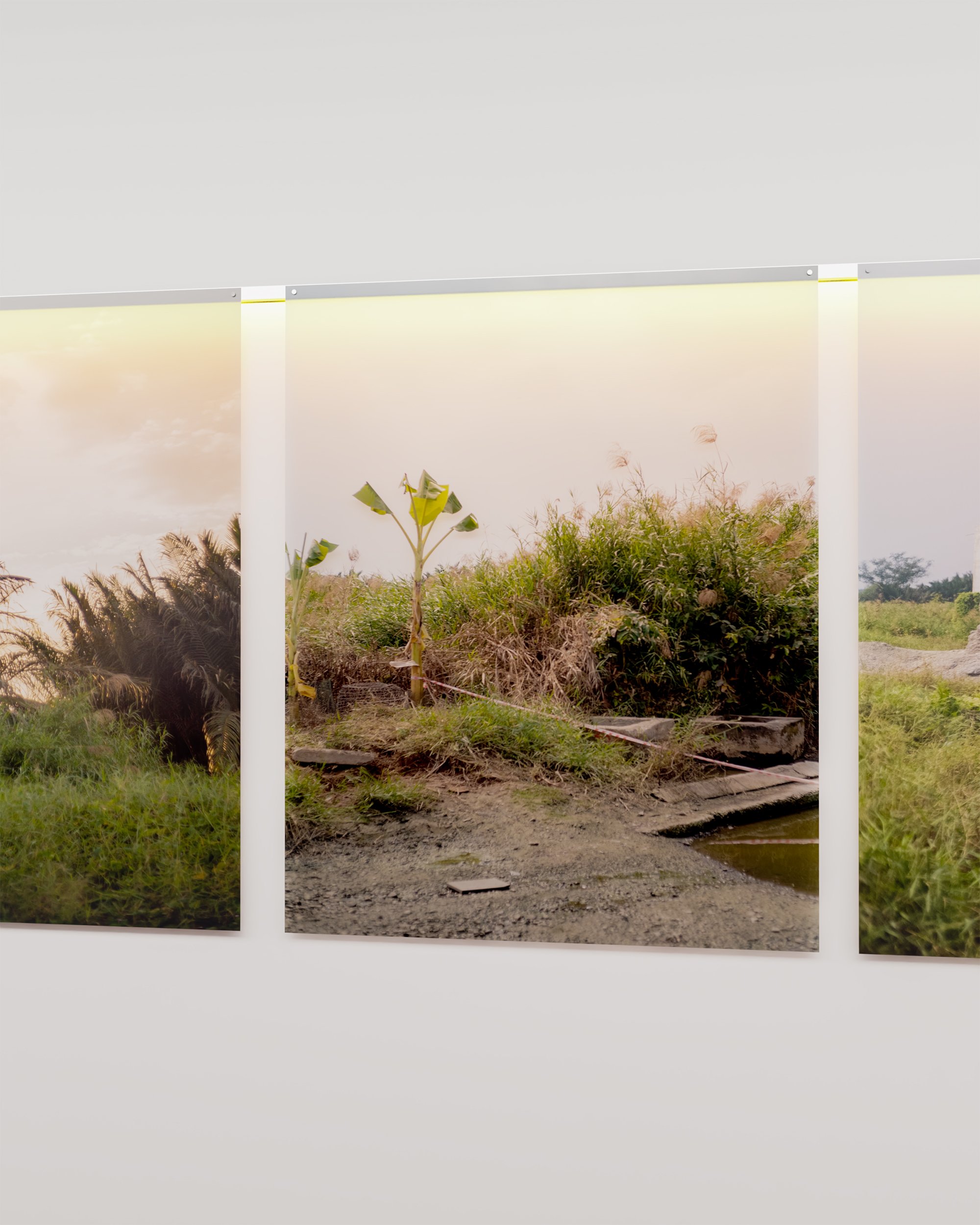
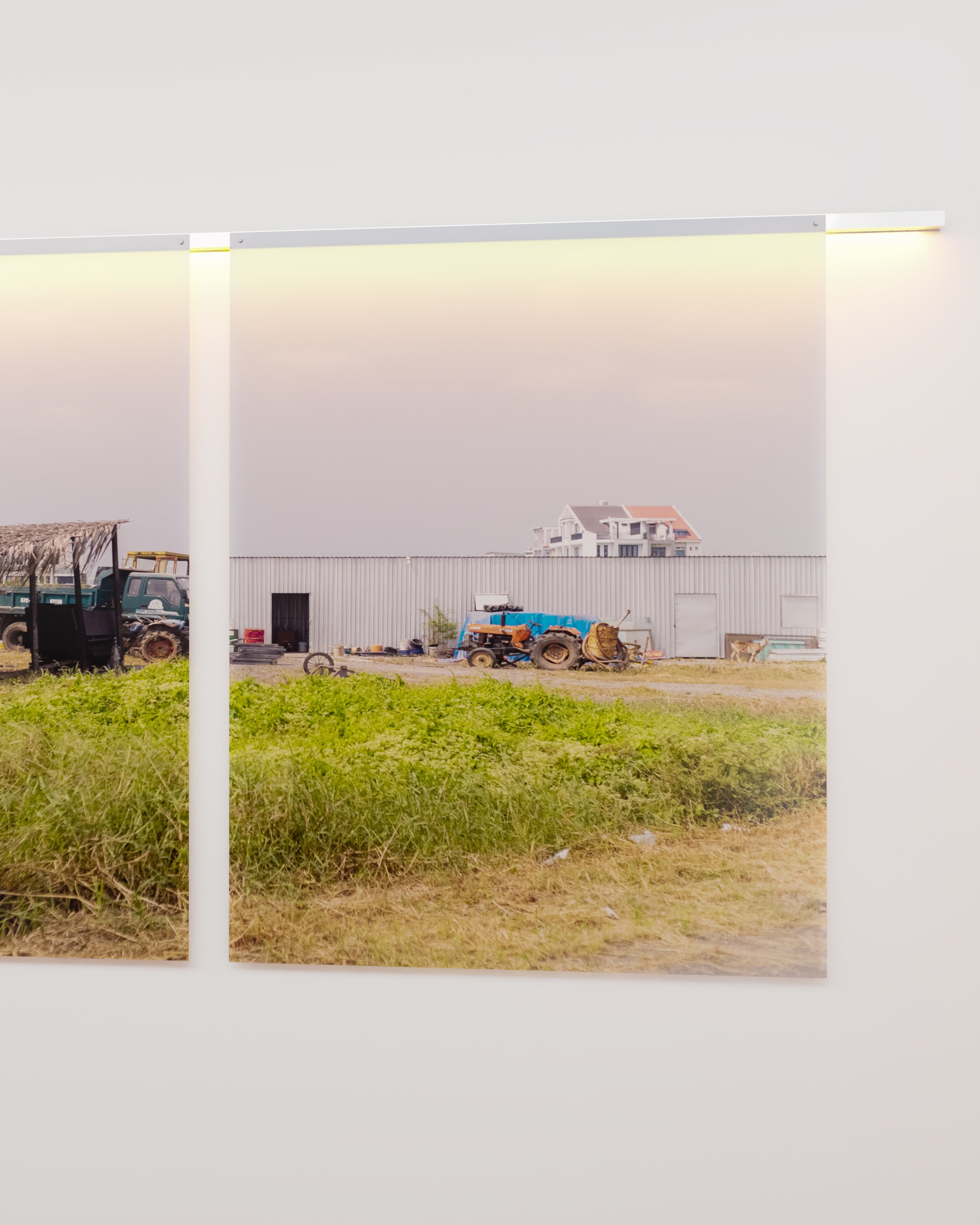
In contrast to the wet and nocturnal images of my ‘degradation pictures’, these sunset images convey a clarity in their fidelity, and a literal brightness in their illuminated form.

As the sun sets in Phong Phú (Ho Chi Minh City), the emerging moon pulls the rivers that surround the commune upwards which floods the land. The severity of the flooding is based on the height of the rivers which is further determined by the seasons, like the monsoon periods, as well as oceanic sea level rise that engorge the rivers. Night fall is then akin to an omen for things to come. As the lunar flooding of tonight becomes the permanent flooding of tomorrow. The southern half of South East Asia is due to be underwater by 2050 according to today’s climate predictions.

Here with these photographs, a permanent sunset is staged through a yellow-orange light that radiates through the smoggy skies of each image depicting Phong Phú in the early Twenty First Century. This current moment in 2022 does indeed feel like a sunset period. A moment before the flooding is permanent. A moment before the flooding is simply known as the shoreline.

This also feels like a sort of mourning.

Above is a picture of my friends observing the rising river waters in Phong Phú during sun set.

Wet Pictures, Degraded Pictures, Sad Pictures

Added on by Alvin Luong.

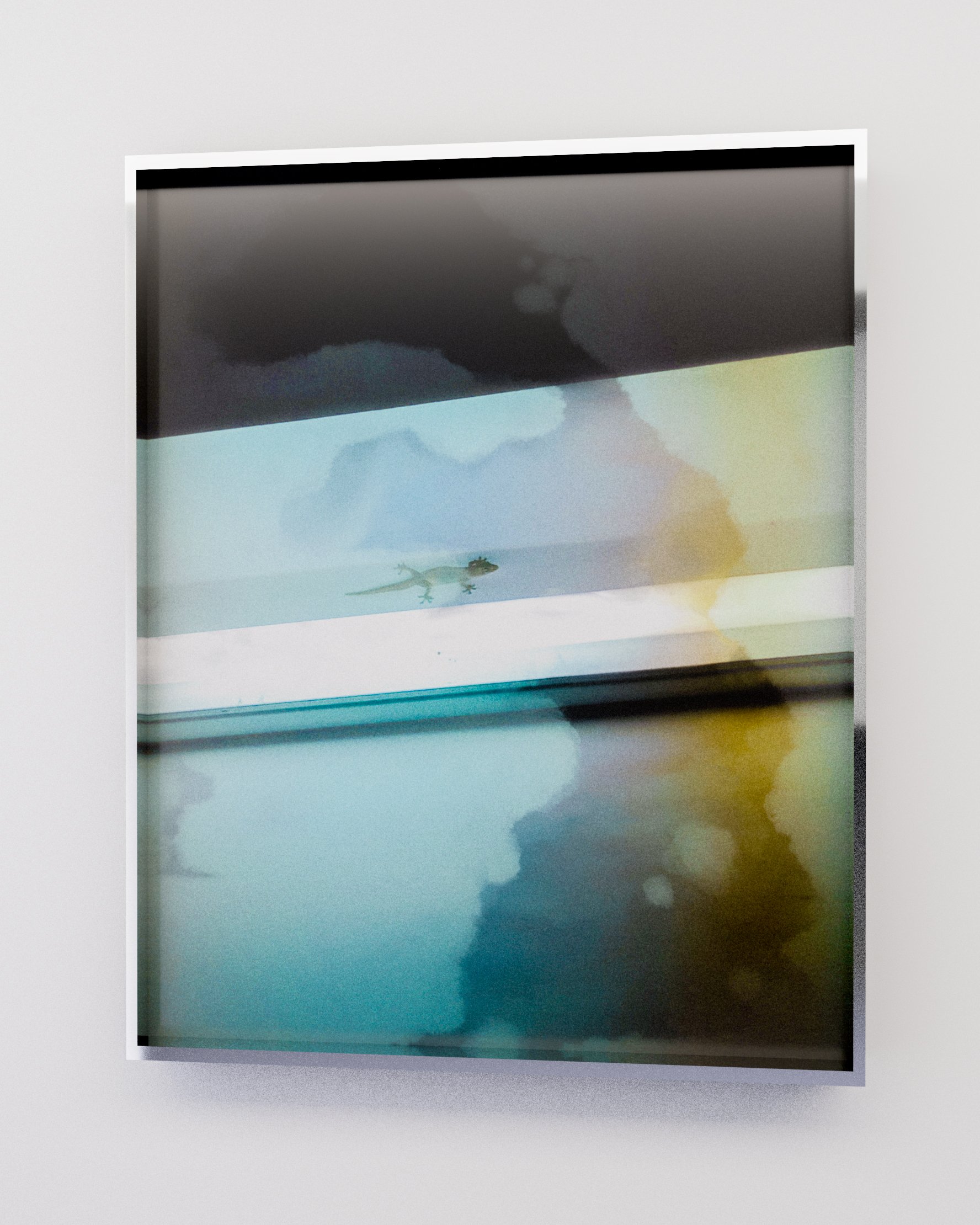
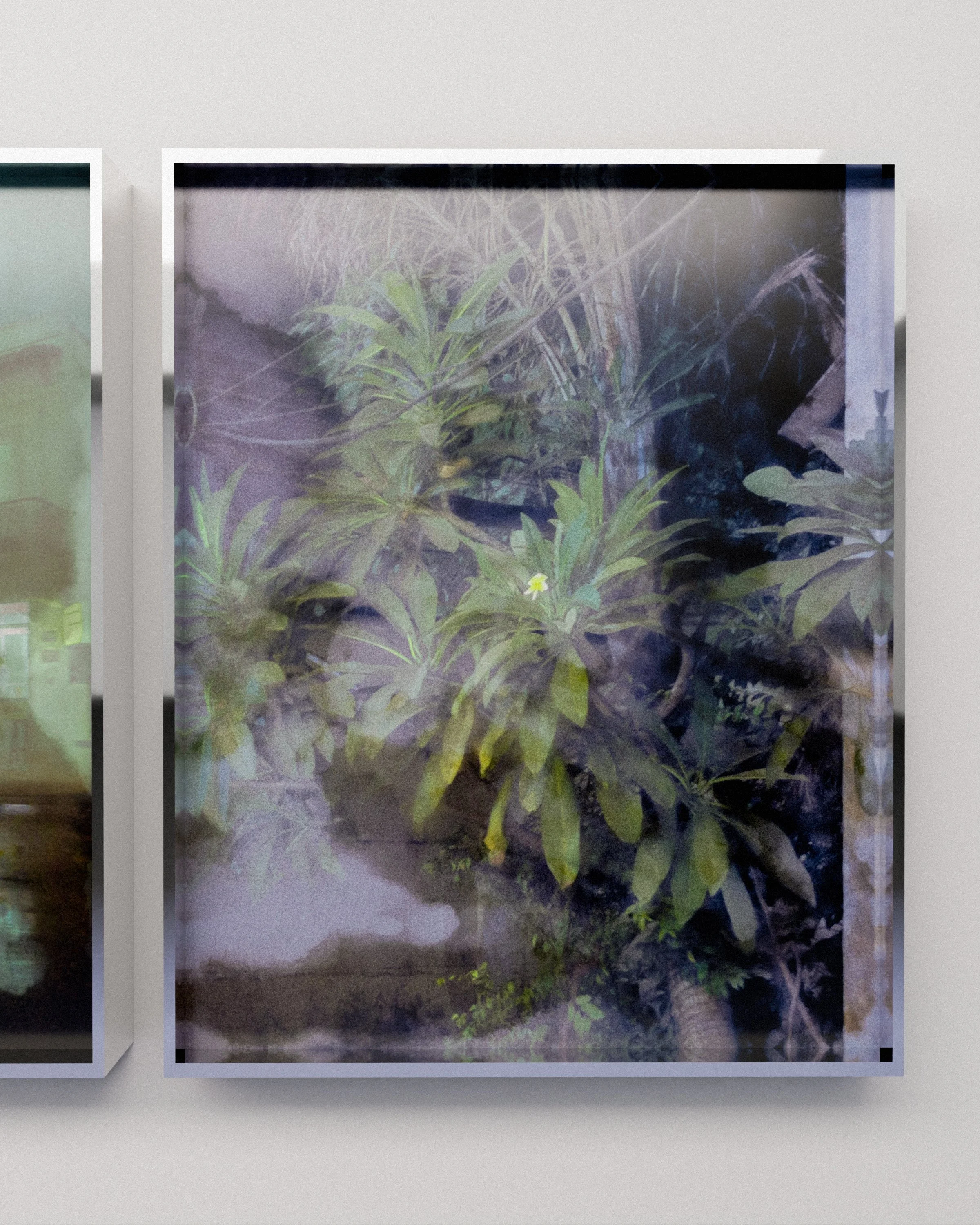
I’m constructing pictures that build up a visual world for the tong choy rations and Hole Story to exist together in for printed and exhibition contexts. A visual world that conveys degradation from a repeated cycle of wetting and drying.

Photography has existed in my practice for the purposes work to accomplish a specific project. While I take many photographs in leisure, typically with a phone, I had never used these leisurely images in my art practice. These two modes of image production were distinct operations. Now, I have been able to work with my leisure images with these ‘degradation pictures’ (a temporary name). Leisurely images that are specific to the geography of my tong choy rations and Hole Story are selected and given a treatment.

This type of work constitutes a deeper intimacy between myself and the artwork because these ‘degradation pictures’ are sourced from moments when I wasn’t actively laboring. In other words, these are images from my normal daily life tied to a specific and relevant geography and time. These images are a product of life and curiosity while living and researching somewhere. They are low-fi and compressed jpegs. These are photographs that a person makes and are then repurposed as a material to make art with.

When I view a ‘degradation picture’ I recall the moment or the reason why I took the picture. It is not as sentimental as it sounds, these pictures are usually just some curiosity that I come across in mundane life. When the added treatment transforms these images into ‘degradation pictures’, I impose an anticipated underwater future from sea level rise in Southeast Asia. Tragedy occurs when present time mundanity meets a dreaded future.

In an odd way, I think this is a preparation for mourning.

Tong Choy Ration Prototyping

Added on by Alvin Luong.

What would a contemporary ration or shelf-stable emergency food made of Tong Choy look like?

During the reunification of Vietnam and the country’s reconstruction, my family was rationed Tong Choy as a primary food source. The plant, carrying both high-nutrition and toxic elements from American ordnances, was easily cultivated in the wet lands of the newly formed Ho Chi Minh City. Today, the plant grows in wild abundance in many parts of the city.

Here, over 45 years after Reunification, I have been prototyping the form, packaging, and aesthetics of a ration for future emergencies. It is important that these rations look ‘handy’ as if any civilian could produce them, that the packaging is simple without specialized packaging and tools used to make today’s highest-end rations, like the USA MRE; and that they look like the could be sold by any street vendor.