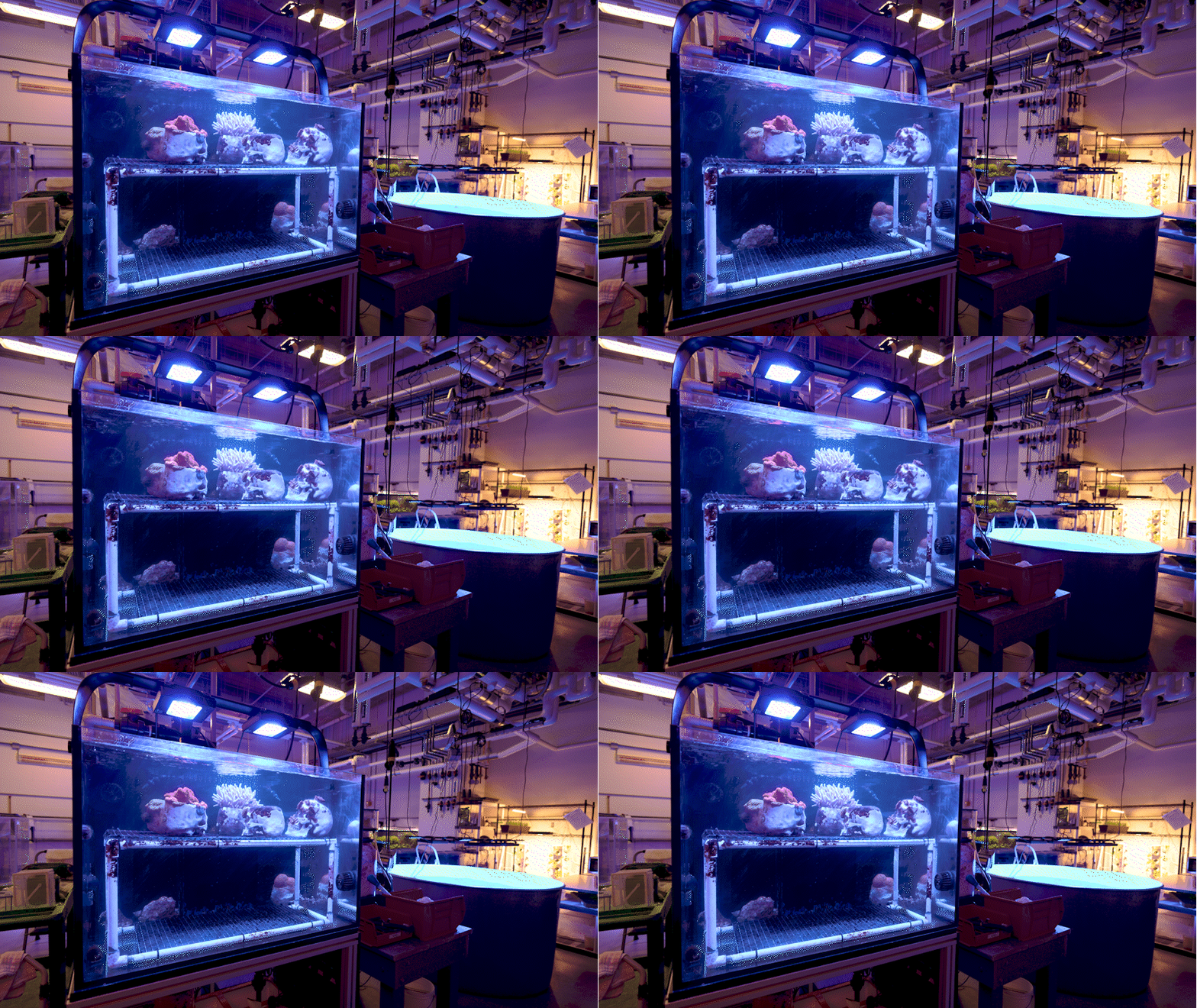
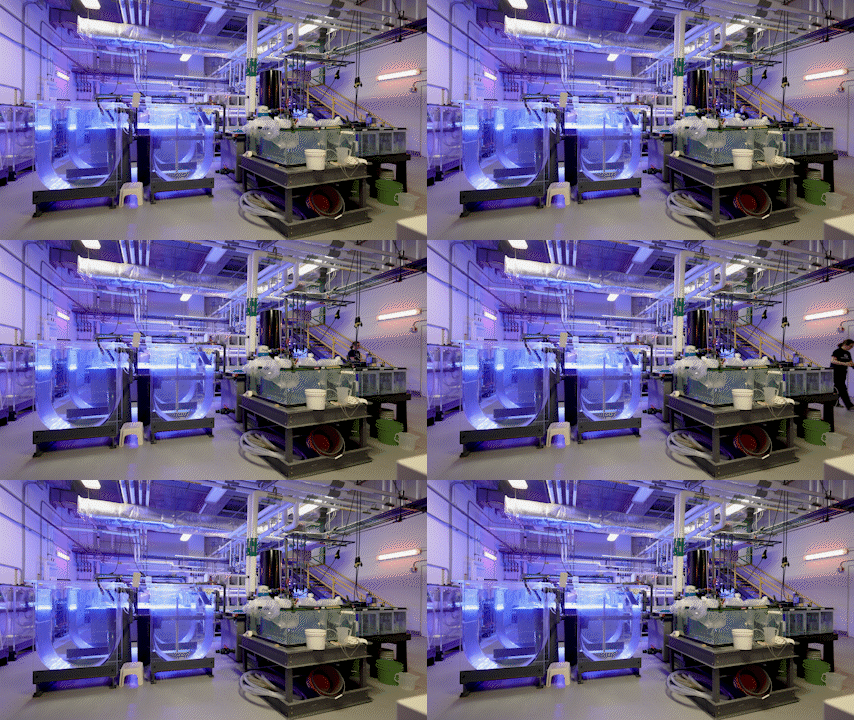
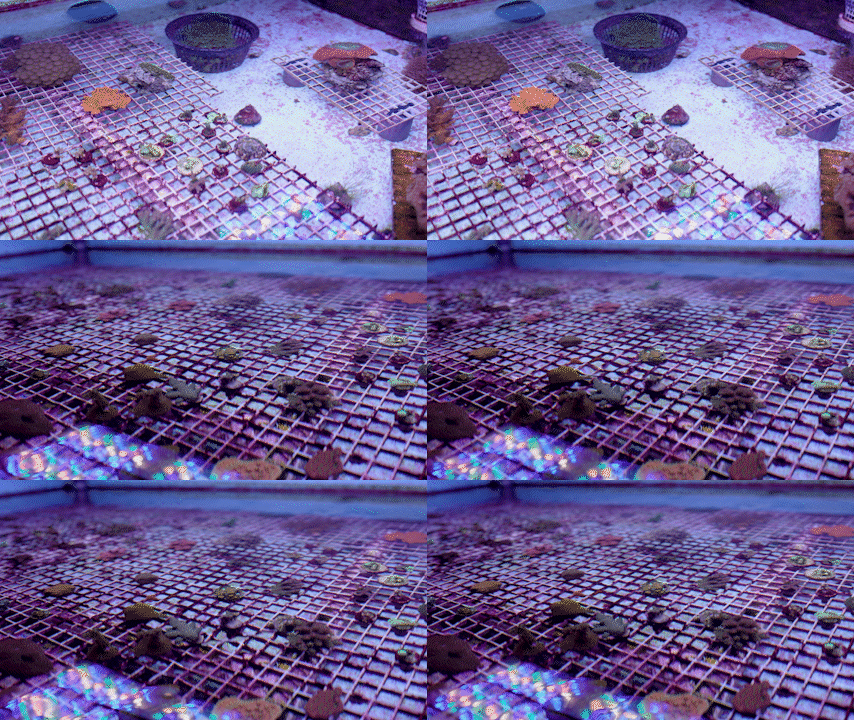
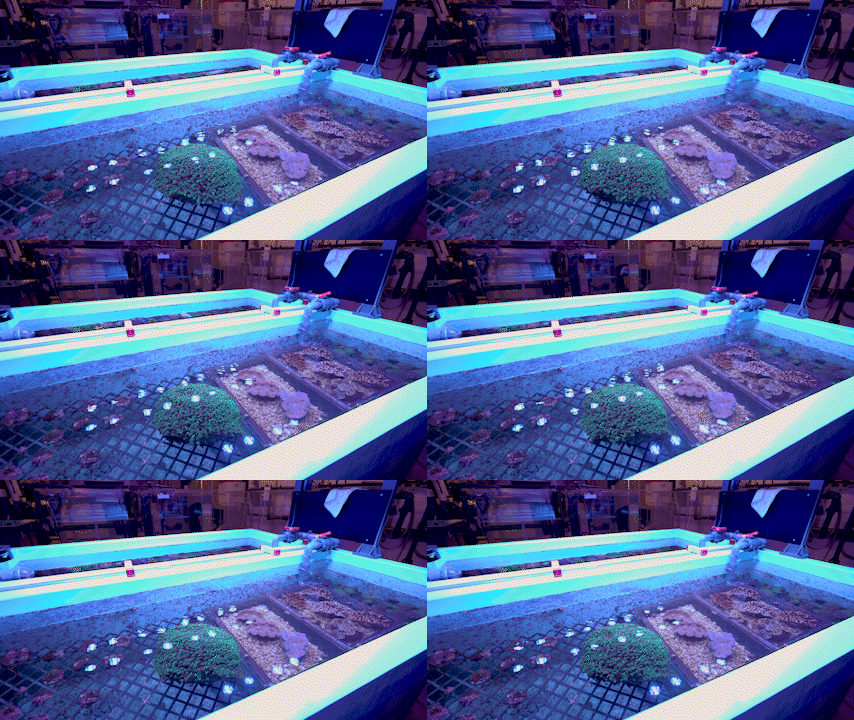
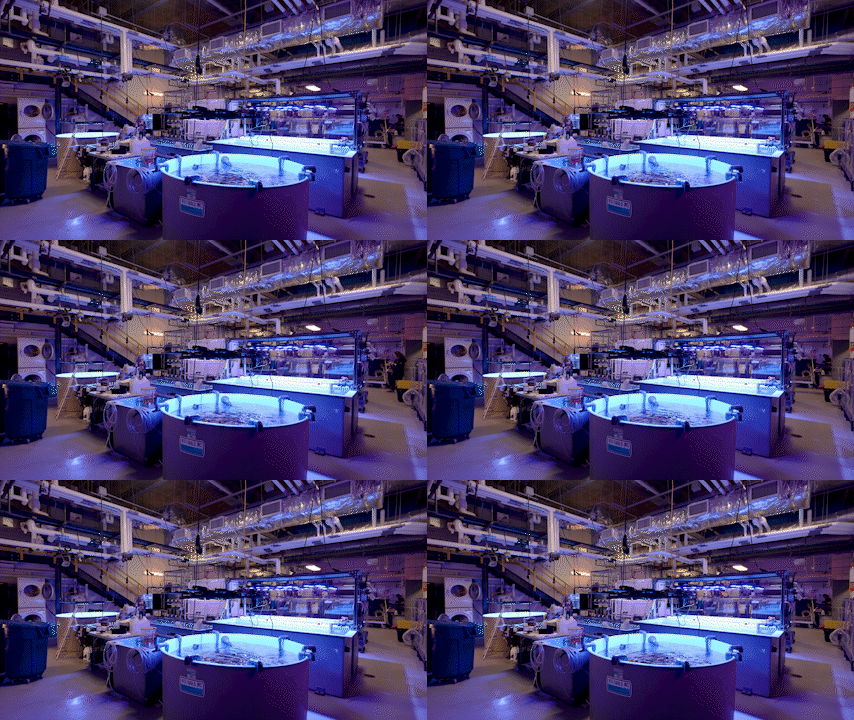
Camp Atlanta (2025) depicts a closed-door facility at the Georgia Aquarium in Atlanta that provides temporary shelter to corals that are suspected of being illegally smuggled into the United States of America. Through a deadpan documentary approach, the artwork captures the corals as they are kept alive in state-of-the-art aquarium facilities and provides glimpses into the day-to-day operations of the facility while aquarists work in the background. The artwork recontextualizes the facility as a new migrant detention center or a refugee camp for corals.
The corals that enter the facility first arrive in the United States through the Hartsfield-Jackson Atlanta International Airport, a critical commodities logistics hub and the busiest airport in the world. Under the suspicion of illegal smuggling, the corals are confiscated at the airport by the United States Customs and Border Protection Agency who transfer the corals to the nearby Georgia Aquarium where the corals are kept alive as criminal evidence within the closed-door facility that is depicted in the artwork.
The corals are held at the facility until legal proceedings are completed between the importers of the corals and the U.S. Customs and Border Protection Agency. If the legal proceedings rule in favor of the importers the corals may re-enter commercial circulation, if the legal proceedings rule against the importers then the corals will find new homes in the public facing exhibits at Georgia Aquarium or at its partner institutions.
Camp Atlanta is the second film to a trilogy that begins with Corals of Bidong and ends with DEPHINITELY PARADISE.
Camp Atlanta, 2025, Video, 10:51 (M:S)
With deep gratitude towards the following people and institutions that empowered the field work and creation of Camp Atlanta:
Steve Hartter, Associate Curator of Fish and Invertebrates, Georgia Aquarium
Reggie, Cat, Emma, and Meg, Aquarists, Georgia Aquarium
Sharon Hayes
David Hartt
Special thanks and acknowledgements to the following organizations, institutions, and galleries for their financial, production, and programming support:
The Sachs Program for Arts Innovation, University of Pennsylvania
Hunt Gallery (Toronto)
Arthur Ross Gallery (Philadelphia)